We are excited to offer our community a large library of educational PFIC webinars about a variety of PFIC topics. Many of these videos were recorded at past PFIC Network Family and Scientific Conferences and feature expert PFIC clinicians and researchers generously sharing their knowledge and expertise. From PFIC genetics to the myriad of treatment options available, these videos are designed for the patient and family audience to help you better understand the complexities of life with PFIC and related diseases.
The webinars cover the following main subject areas:
Our full library of PFIC webinars is also available on our Youtube Channel
CONFERENCE RECORDINGS
PFIC Network Conference Session Recordings
Prefer to watch a full conference straight through rather than browse by topic? Each year’s recordings are also collected into a single YouTube playlist below.
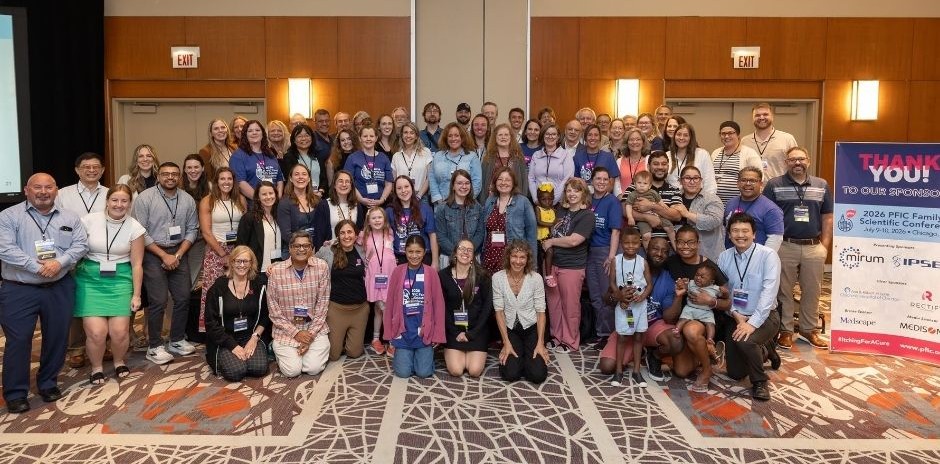
Watch recordings from the 2026 PFIC Family & Scientific Conference held in Chicago, Illinois on July 9-10 2026.
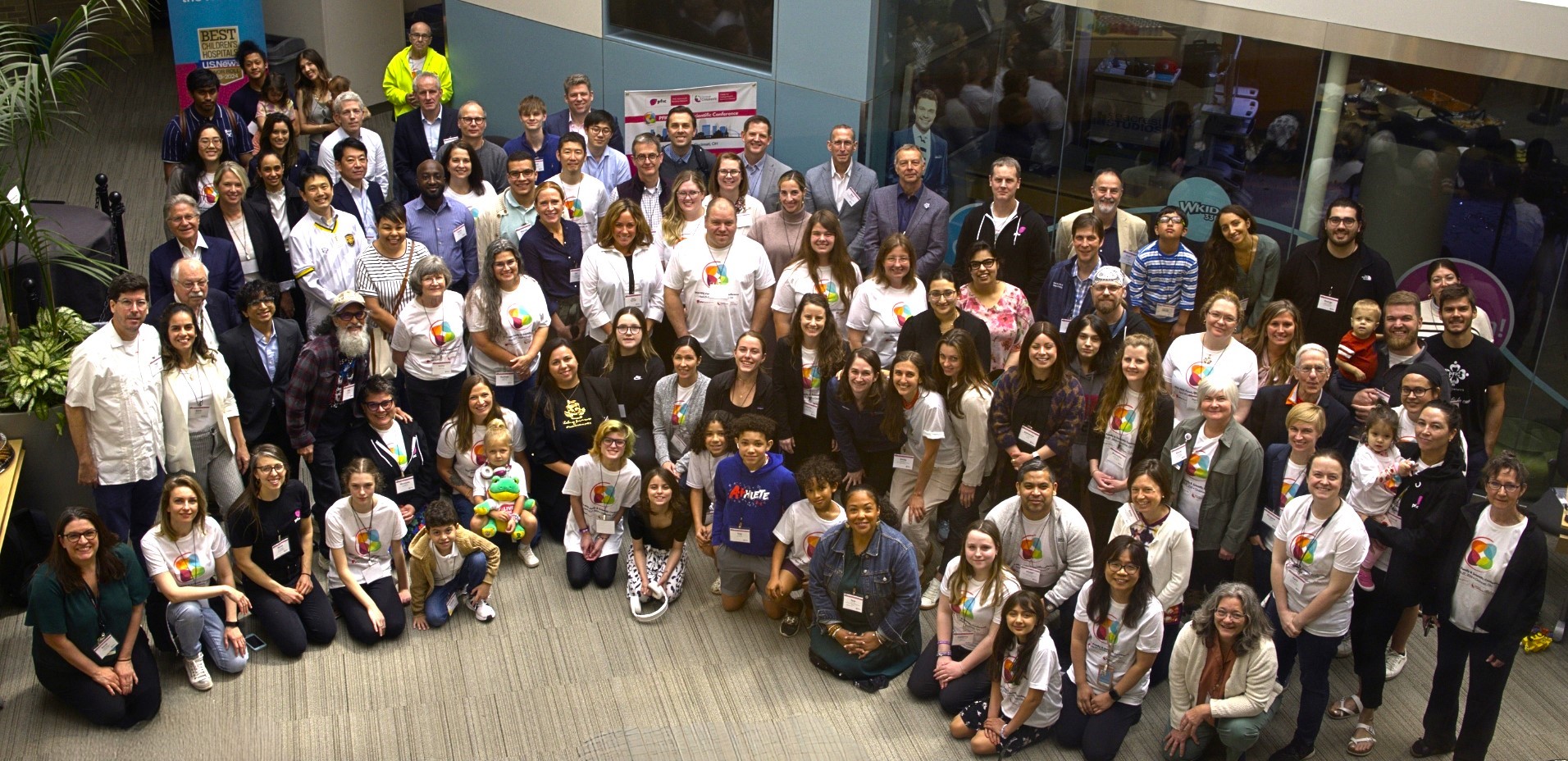
Watch recordings from the 2024 PFIC Family & Scientific Conference in Cincinnati, OH, which was co-hosted with Cincinnati Children’s Hospital and Medical Center.
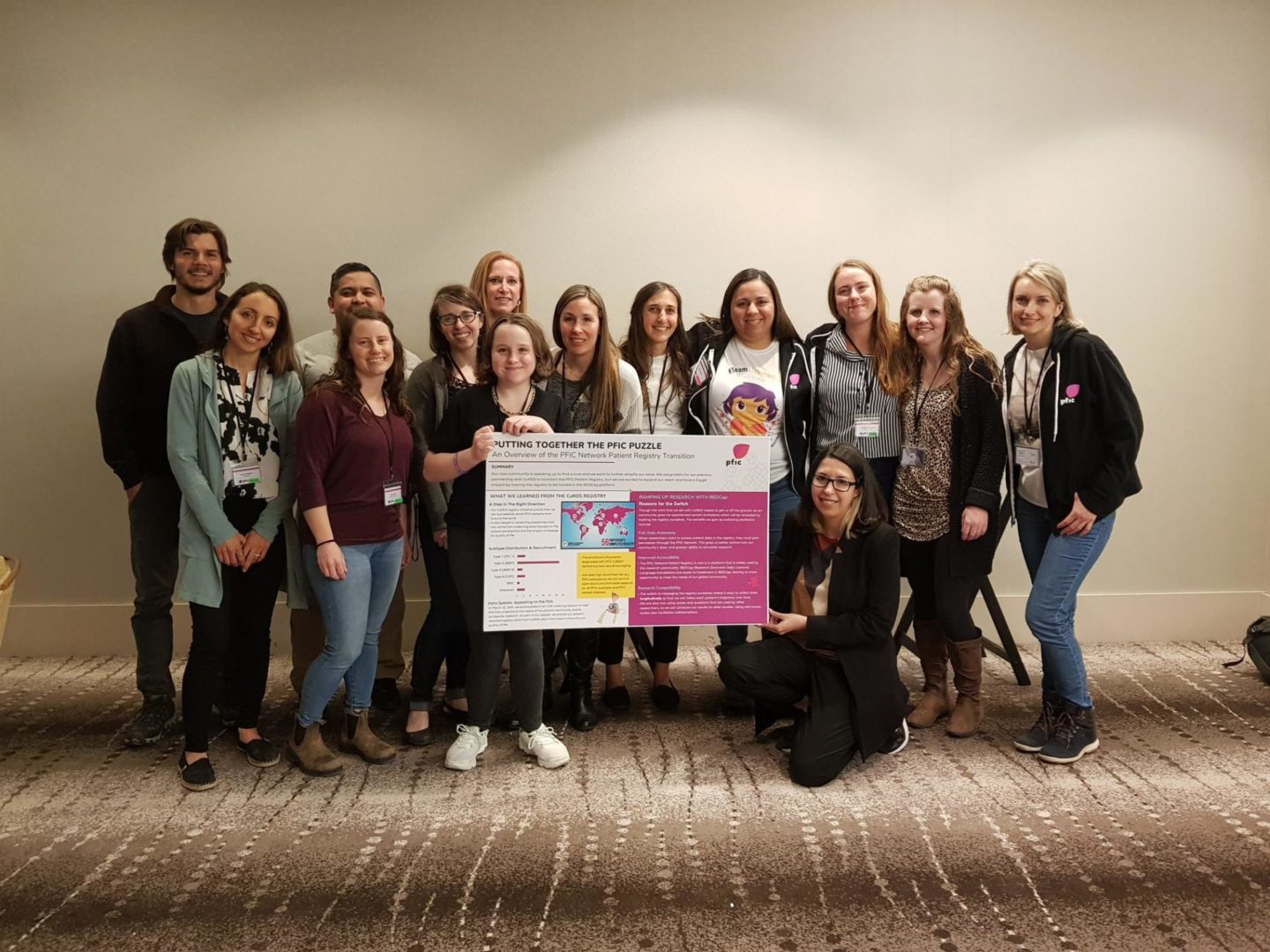
Watch recordings from the 2022 PFIC Network Scientific Conference, held in Pittsburgh, PA.
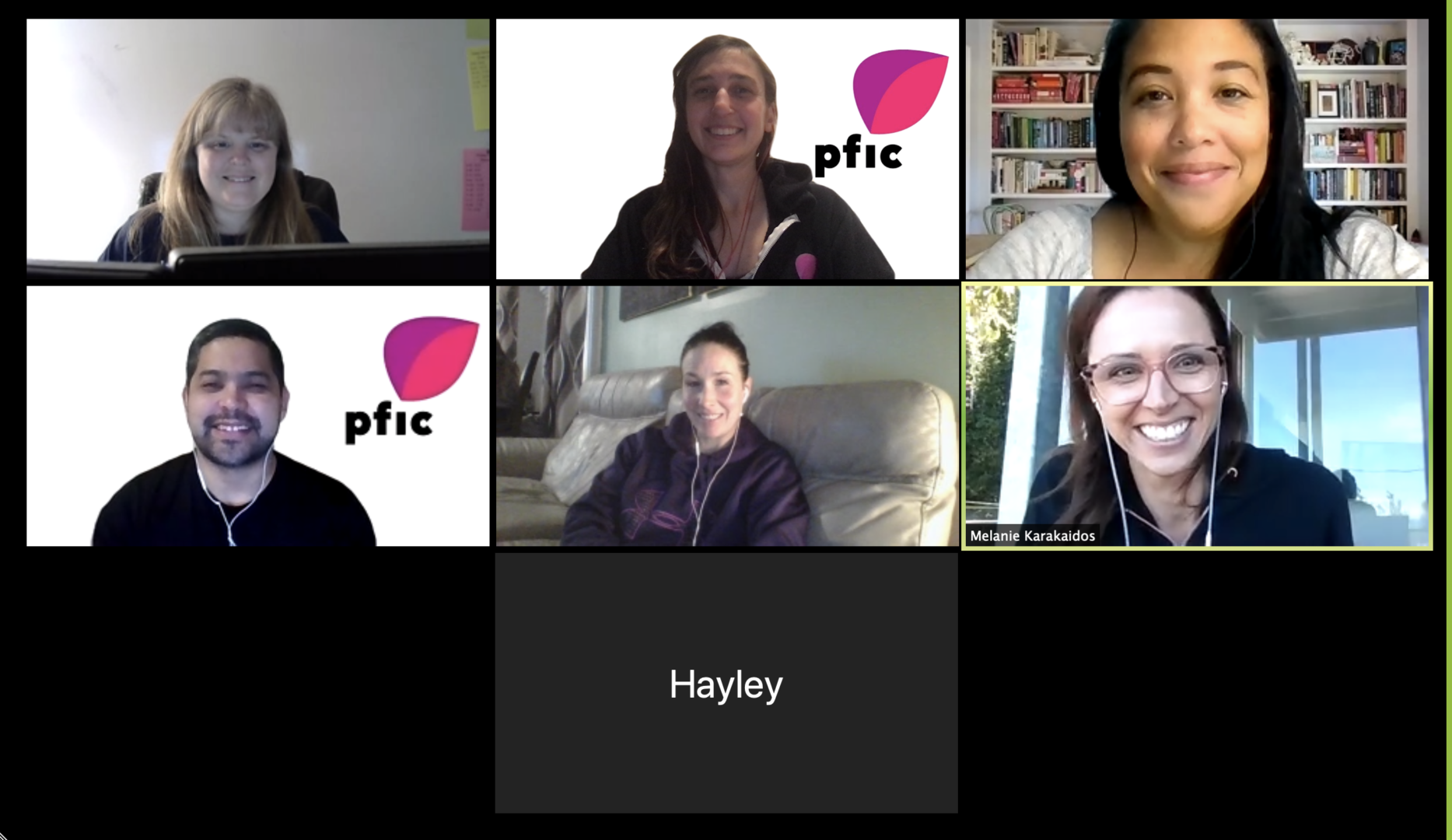
Patient Voices
Living With PFIC
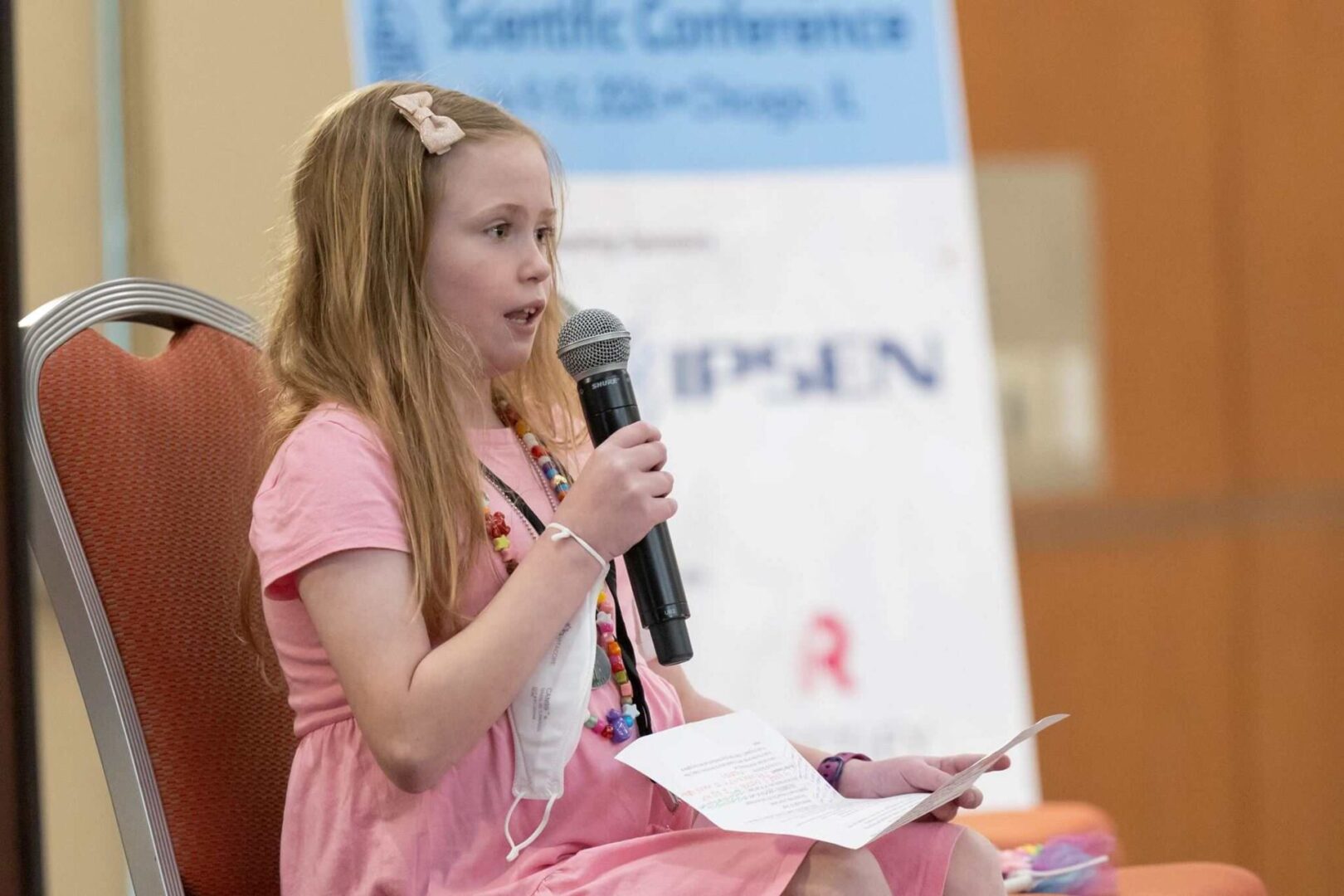
Beyond the science and the treatment options, PFIC is something our community members live with every day. In these recordings, people living with PFIC share their own experiences: the challenges, the milestones, and what they wish others knew about life with PFIC.
General PFIC Information
Don’t know where to start? These videos give general disease information about PFIC and related diseases and what to expect along your PFIC journey. They will cover information such as how the liver works, how PFIC affects the liver and an overview of symptoms and available treatments.
Mental Health, Caregiver Support and Coping Strategies
It is easy to get caught up in symptom management and disease information and forget that a PFIC diagnosis is a major life-changing event and you might need additional support to manage the challenges that accompany living with a rare and chronic disease. These videos cover coping strategies for rare disease patients and caregivers and provide information about managing the psychological effects of chronic pruritus.
| Title | Presented By |
| Mental Health: Coping Strategies for the Patient and Caregiver (2020) | Cristol O’Loughlin |
Rare & Resilient Webinar Series: A New Perspective on Coping with Pruritus
Rare and Resilient is special webinar series held in honor of Rare Disease Month in February 2023. It addresses one of the most challenging problems facing PFIC patients and their families: the itch and how to better manage it. While these videos are centered around the specific issue of pruritus, many of the skills and strategies are also applicable to other life challenges.
PFIC Genetics, Types and Subtypes
PFIC1? BSEP deficiency? BRIC? Learn all about the many types and subtypes of PFIC, how genetic testing works, how genetics impact PFIC treatments and more.
PFIC Treatment Options
While there is currently no cure for PFIC, different treatment options exist to target PFIC symptoms. These videos cover a variety of medical and surgical options, including nutrition, medication, diversion surgery and liver transplantation.
Liver Transplantation in PFIC Patients
PFIC patients and families often need to consider liver transplantation at some point in their PFIC journey. These webinars cover general liver transplantation information as well as PFIC-specific possible complications and risks, including allo-immune BSEP disease (AIBD) and challenges specific to FIC 1 deficiency.
PFIC Network Research Projects: IMPACT, PFIC Network Patient Registry
Did you PFIC Network has several ongoing research projects? Find out about more about our research initiatives!
| Title | Presented By |
| PFIC Research Consortium Project (2026) | Melissa Kochanowsky & Gitta Lubke |
| IMPACT Updates from the PFIC Family & Scientific Conference (2024) | IMPACT Project Team |
| PFIC Network Patient Registry Updates (2024) | Dr. Gitta Lubke |
| IMPACT Webinar Live Announcement & Information (2023) | Melissa Kochanowsky |
PFIC Research and Gene Therapy
Many recent scientific advances focus on treating the symptoms of PFIC. We are also looking ahead to cutting edge PFIC research and potential future treatments that address the root causes of PFIC.