Getting a diagnosis
The path to a PFIC diagnosis can be long and complicated.
While many types are typically identified in infancy or early childhood, others—such as MDR3 deficiency (PFIC 3)—may not cause noticeable symptoms until adolescence or adulthood. In adults and in those with milder presentations, signs like cholestatic pruritus (itching) may be overlooked or dismissed, delaying or complicating diagnosis.
Limited access to genetic testing can also leave some patients undiagnosed or diagnosed much later in life, and not all genetic causes of PFIC have yet been discovered. As awareness grows and testing becomes more accessible, we hope that the diagnostic journey will be shortened for patients and families.
Diagnostic Tests For PFIC
Physicians use several different tests to determine a PFIC diagnosis and potentially identify which type of PFIC is present.
Genetic tests can reveal exactly which gene is mutated and provide information about the likely severity of the disease. This type of testing can therefore identify the subtype of PFIC.
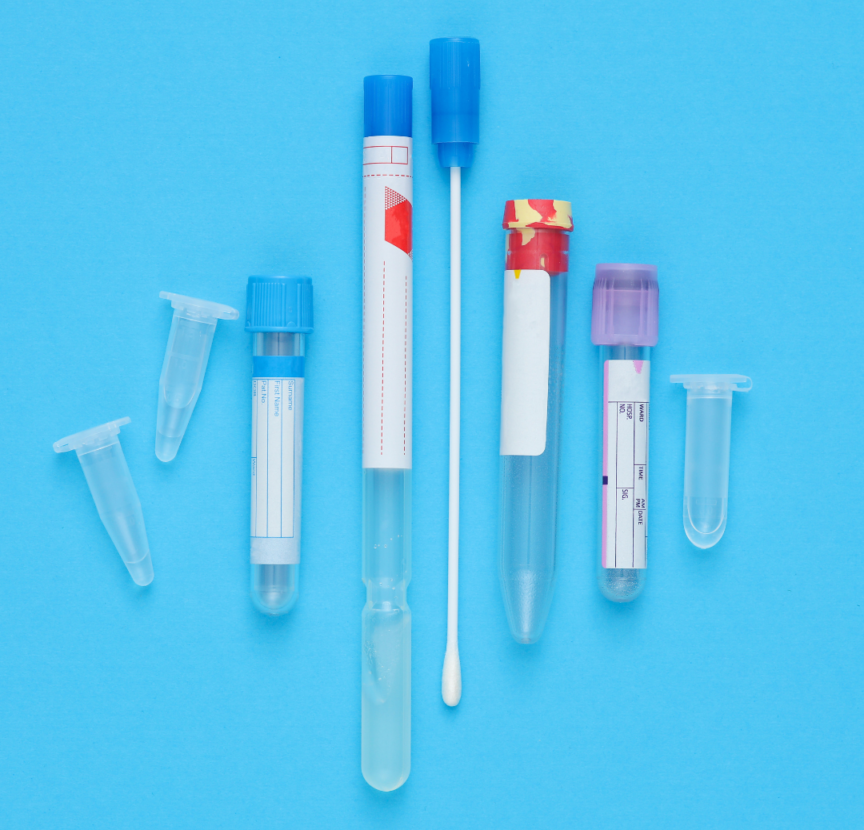
Your doctor may collect a blood sample for genetic testing and then send the sample to a lab for testing. The lab will extract the code of your genes from DNA in your blood and analyze it for potential mutations. Depending on where you live, genetic testing may be expensive or not covered by insurance. It is also not readily available in all countries.
These are blood tests which may help assess the general condition of the liver and can provide some information as to the type of PFIC.
One particularly useful test is gamma GT (GGT), which is a type of liver enzyme which may help to distinguish between the types of PFIC. Generally, the GGT levels in the blood are low or normal in FIC1 and BSEP deficiencies but raised in MDR3 deficiency.
Your doctor may also look at the levels of other liver enzymes, ALT and AST. These enzymes are markers of possible liver injury. ALT and AST tests may provide some differentiation between FIC1 and BSEP disease. These enzymes are often lower in patients with FIC 1 deficiency (PFIC 1).
These are more specialized blood and urine tests. Children with PFIC will generally have quite elevated levels of bile acids in blood – 10 to 20 times the normal bile acid concentration. If bile acids are not elevated this may suggest a problem making bile acids (bile acid synthesis disease), which may be identified by looking at bile acids in the urine.
Doctors extract a small piece of liver tissue with a small needle, and then examine it under a microscope. Usually, doctors do not need to perform an open surgical operation to collect a liver biopsy. Your doctor uses the results to help make a PFIC diagnosis, assess the severity of the disease and advise about the future (prognosis).