Seven Years In: AASLD 2026 Recap
A message from our Executive Director & Co-Founder, Emily Ventura
This past week was my seventh year attending The Liver Meeting, hosted by the American Association for the Study of Liver Diseases (AASLD), one of the largest gatherings of hepatologists and liver researchers in the world. This year’s meeting brought us to Denver, and it took me back to my first meeting in 2019. That year, I was there only to observe. I was a full-time ICU nurse, and PFIC advocacy was still my side job. I was amazed to see PFIC on the main stage. A disease this rare was getting time in front of the world’s liver experts!
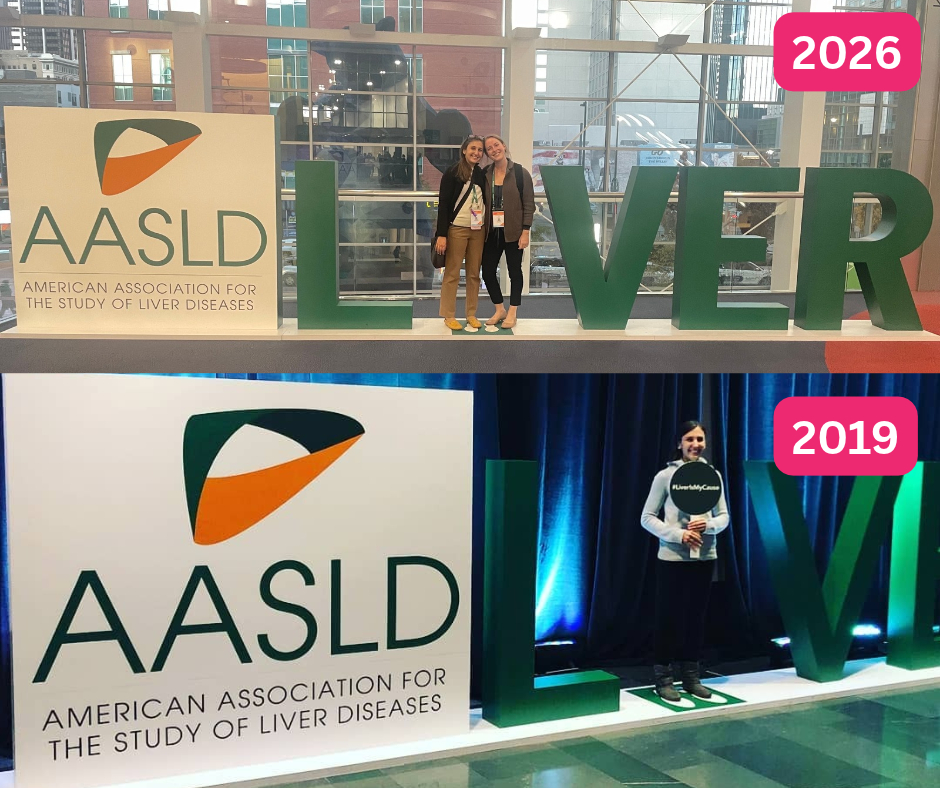
That was also the first time I met members of our Scientific and Medical Advisory Board (SMAB) in person. They wanted to understand our rare community better and asked me, “What is the greatest unmet need?” I was humbled by how hard that question was to answer. I knew our families’ stories by heart, but I didn’t yet know how to turn them into priorities that clinicians and researchers could act on. That question has stayed with me and still guides PFIC Network’s work today.
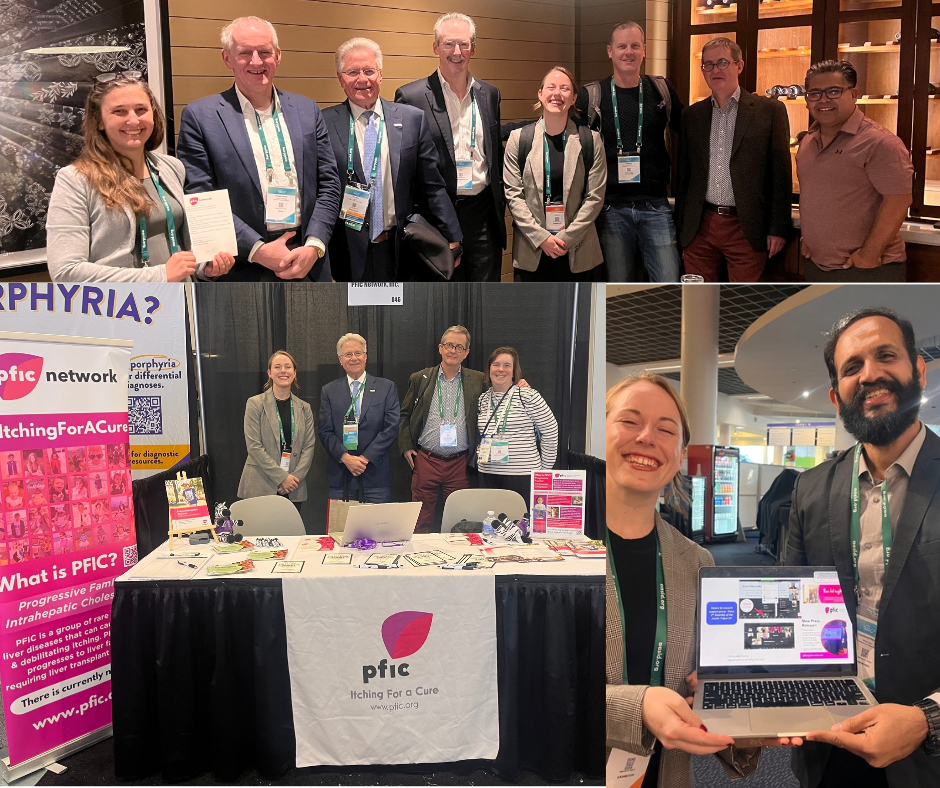
Every year since, we’ve come back, watched the science evolve, built on the relationships that started at that first meeting, and made new ones along the way. Those relationships have grown into partnerships that are making a real difference for PFIC families, and our presence has grown too. What began as one volunteer in the audience is now a team. This year I was joined by Melissa Kochanowsky, our Associate Director of Programs, and Walter Perez, our Board President and fellow PFIC parent, so we could staff our booth, attend meetings, and take part in sessions.
A busy booth and the right questions
Our booth was busy all week. My favorite moment never gets old: a physician stops by and says, “I’ve heard of this, and I’ve seen one patient. Do you have ways we can help?”
The answer is yes! Clinicians are some of our most important allies. They’re often the ones who tell families about the PFIC Network, pointing them to our resources and a community that understands. But that connection starts with a diagnosis, and the more specialists and primary care providers know about PFIC, the sooner patients get one. Every conversation at our booth brings us closer to a day when every PFIC patient gets a timely diagnosis and connects with support, no matter where they live.
We also learned a lot from those who stopped by our booth. Their questions pointed to a few clear needs:
- Genetic testing: whether it’s available, and whether there’s support for making sense of the results.
- Adults with PFIC: what resources exist for adults diagnosed with PFIC.
- Transition of care: how to update and expand resources for young people moving from pediatric to adult care.
- Treatment access: how we can support access to treatments for patients where there is a gap, such is as in countries like Brazil
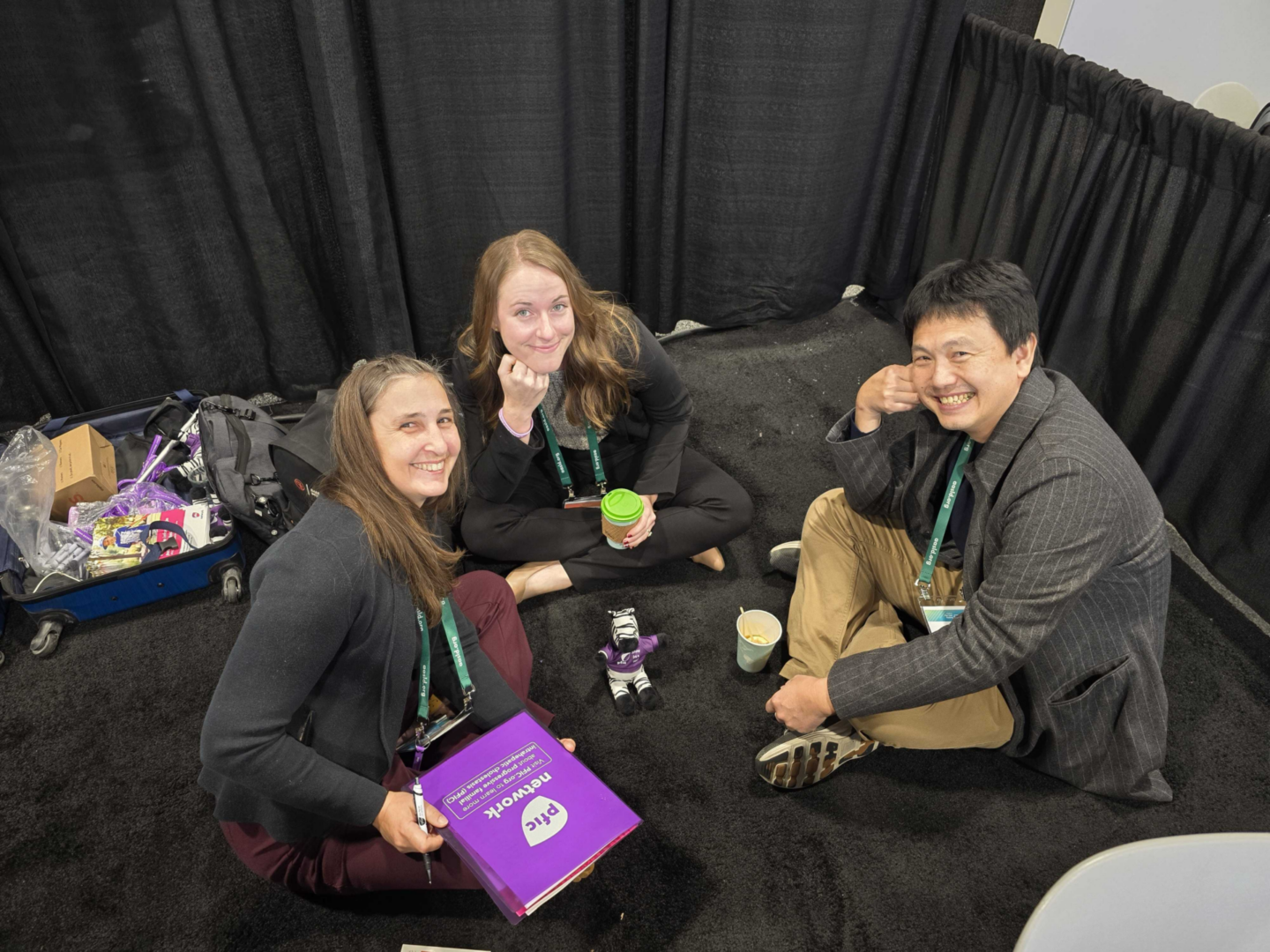
Those questions shaped our 2027 plans right away. Sitting on the floor behind our booth (not our most professional moment!), Melissa and I brainstormed new educational offerings with Dr. Akihiro Asai from Cincinnati Children’s, focusing on genetic testing, reading genetic reports, and gene therapies. Stay tuned!
Is there a topic you’d like us to cover in a webinar next year?
PFIC community voices on the stage
Beyond the booth, I was honored to partner with Decera Clinical Education on a continuing medical education (CME) offering for physicians, held in Denver and online. Drs. Naim Alkhouri, Kris Kowdley, and James Squires led a case-based discussion on recognizing and diagnosing PFIC and Alagille syndrome.
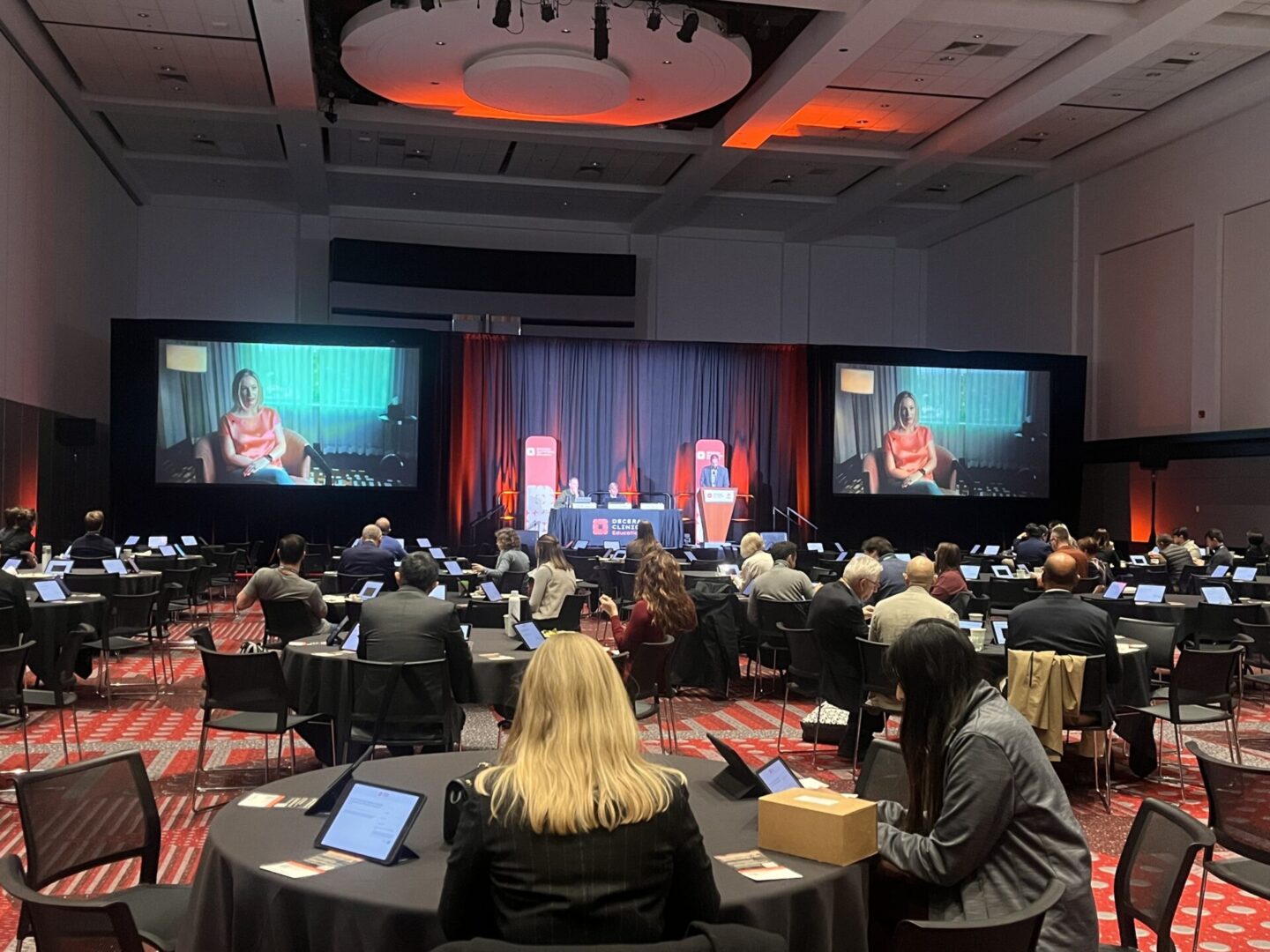
The highlight was hearing our community’s voice in that presentation. Physicians watched Olivia share her story, then heard from Armando, who lives with PFIC, and his brother Santiago in a clip from our 2021 FDA Listening Session. Their stories were paired with registry data showing the real burden of itch. As the videos played, the room of physicians went completely silent.
Data shows the burden of PFIC, but hearing from patients makes an impact that numbers alone can’t. Because of stories like these, physicians are starting to think about patient engagement in a new way, learning to see people living with PFIC as partners in finding better ways to treat this disease. I’m so proud of our community members for being vulnerable so they could teach physicians. Their courage helps make sure the next family is met by a doctor who understands. We’re grateful to AASLD and Decera Clinical Education for this partnership.
New partnerships around transition of care
Transition from pediatric to adult care came up again and again at our booth. It’s a big step for any young person with a chronic condition, and as more children with PFIC grow into adulthood, families need better resources to guide them through it. That’s why we were so excited when the North American Society for Pediatric Gastroenterology, Hepatology and Nutrition (NASPGHAN) invited us and other patient groups to talk about creating and expanding transition resources together. The best resources will be built with the families who need them, and we’ll be sharing ways for you to get involved in the months ahead.
Mapping the road ahead
Our Scientific & Medical Advisory Board (SMAB) met over breakfast to discuss the major work in motion for 2027 and 2028. We spent most of that time mapping out a timeline of activities that will bring experts, partners, and families together on key topics, including:
- New treatment development, and working with regulators like the FDA
- Diagnosis, including how PFIC is named and classified
- How PFIC differs in children and adults
Why I’m hopeful
There’s a lot to do over the next few years, but our network is ready to take it on. PFIC’s unmet needs reach past childhood, past a diagnosis, and past any single country. Meeting them takes more than one organization. That’s why partnerships are a top priority for us, with medical societies like AASLD, NASPGHAN, and ESPGHAN, and with other advocacy groups in cholestatic liver disease and the wider liver community.
Seven years ago, I couldn’t fully answer our SMAB’s question. Today, together with clinicians and partners, our community is answering it, and PFIC voices are being heard in the rooms where decisions about care are made. When I think about how far we’ve come since that first meeting, I can’t help but feel hopeful about where we’re headed.
With gratitude,
Emily
PFIC Network Executive Director & Co-Founder, PFIC parent