ABOUT THIS PAGE
This page is intended to provide an accessible overview of nutritional considerations for people living with PFIC and to give examples of products that may support nutritional needs. Product availability and affordability vary by country. PFIC Network does not endorse any specific products, brands, or supplements. Please consult with your doctor or a registered dietitian about individual nutrition recommendations for you or your child.
Jump to:
Nutrition in PFIC
Why Nutrition Matters in PFIC
In PFIC and other cholestatic liver diseases, the flow of bile from the liver into the small intestine is reduced. Bile contains bile salts, which are powerful detergents that help the body emulsify and absorb fat. When bile flow is impaired, fat absorption suffers. Because fat-soluble vitamins A, D, E, and K depend on fat to be absorbed, low bile flow often means low vitamin levels as well.
PFIC may also cause a hypermetabolic state, meaning the body burns energy and breaks down its protein faster than usual. This makes it harder to maintain good nutritional status, and means many people with PFIC need more calories and protein than typical recommendations for their age.
Over time, abdominal complications such as nausea ascites or diarrhea can make eating even harder and negatively affect growth and development. In addition to issues with growth and failure to thrive, malnutrition can contribute to increased susceptibility to infections and the symptoms associated with specific vitamin deficiencies, such as vision problems and loss of bone density.
The bottom line: people living with PFIC often need a combination of a calorie- and fat-rich diet, specialized supplements, and close monitoring to stay well-nourished.
Monitoring
How Nutrition is Monitored: the ABCDs
Your care team will regularly assess nutritional status using what’s sometimes called the ABCDs of nutrition monitoring:
A
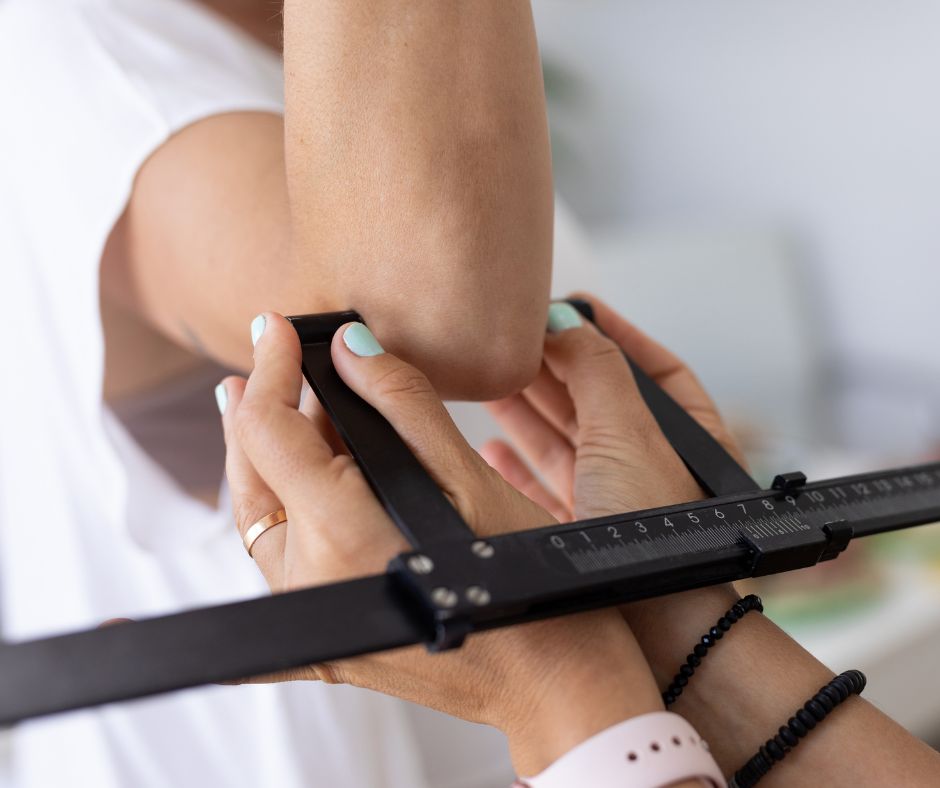
Anthropometric (growth) measurements
Measurements are compared to benchmarks to assess growth over time and help identify signs of undernutrition early.
- Tracking length/height and weight
- Tracking weight-for-length/body mass index (BMI)
- Head circumference (typically monitored through age 3)
Because fluid accumulation and organ enlargement can affect weight, your care team will also assess whether weight gain reflects true growth in muscle and fat. They do this by monitoring:
- Mid-upper arm circumference (MAC or MUAC)
- Triceps and subscapular skinfold thickness (TSF or SSF)
Blood tests to screen for nutritional deficiencies. Types and frequency of tests vary by patient and care center.
Asking about symptoms of concern, such as vomiting, abdominal pain, or changes in appetite.
Reviewing usual intake of food, drinks, and supplements and comparing that to the patient’s nutritional needs.
Lab tests, growth measurements, and diet reviews are typically done at regular intervals — how often depends on the patient’s age, current health status, and care center. If you have questions about what’s being monitored and why, your liver doctor or dietitian is the best person to ask.
Management
Managing Nutrition in PFIC
Fat & Vitamin Supplementation
Because cholestasis often impairs fat and vitamin absorption, supplementation is almost always necessary. Your care team will guide specific dosing, but here is an overview of what is commonly needed.
Medium-chain triglycerides (MCTs) are a type of fat that is easier to absorb without bile salts. MCT oil, MCT-enriched formulas, and coconut oil are common sources.
PFIC patients almost always require vitamin supplementation. Standard over-the-counter multivitamins are usually not effective — water-miscible formulations are recommended for better absorption.
Dietary Intake
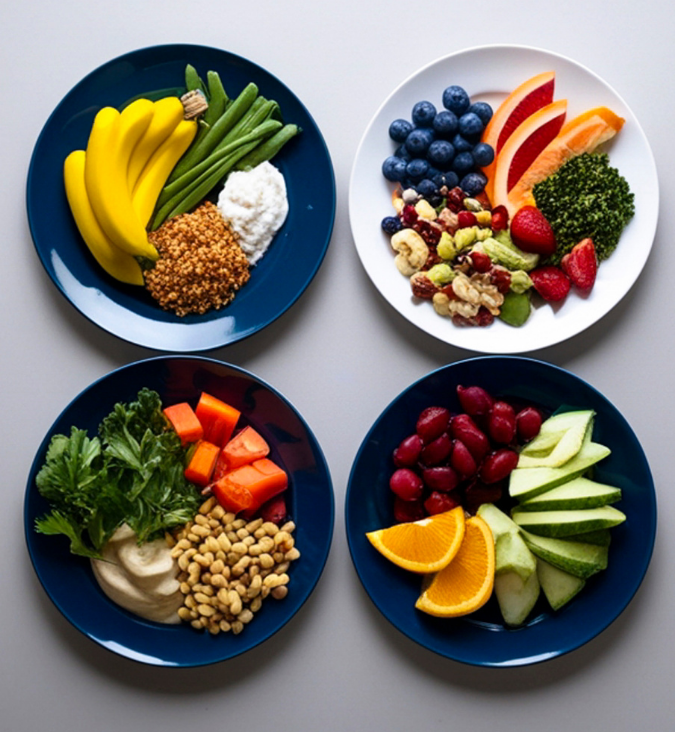
A healthy diet is an important complement to supplementation. Because PFIC can cause a hypermetabolic state and impair absorption, most patients need significantly more calories, fat, and protein than typical recommendations for their age. General tips include:
- Eating a high-calorie, high-fat, high-protein diet
- Eating frequently — up to 6 small meals or snacks per day — rather than three large meals
- Boosting calorie density by adding calorie-rich foods — such as MCT oil, coconut oil, nut butters, avocado, or full-fat dairy — to preferred foods
- Pairing carbohydrates with protein at snacks and meals (e.g. cheese and crackers, eggs on toast, nut butter on fruit)
- Limiting sugary drinks like juice and soda, which add calories without protein or fat
- Trying shakes or smoothies if solid food is difficult — some find it easier to take in calories through a straw
Formula Options
Specialized formulas enriched with MCTs are commonly recommended for infants and children with PFIC who have difficulty meeting calorie and nutrient needs through food alone. The formulas listed below are examples only — they are not endorsements, and this is not an exhaustive list. Product availability varies by country. Always consult your doctor or dietitian before starting or changing a formula.
- Pregestimil
- Gerber Extensive HA
- Similac Alimentum
- Heparon Junior
- Enfamil Ensacare A+
- Alfamino
- Peptamen Junior
- PediaSure Peptide
- Kate Farms
- Heparon Junior

Feeding tips for infants
- Breast milk (expressed) can be fortified and bottle-fed in addition to breastfeeding.
- Any combination of fortified formula and expressed breast milk via bottle can be used. Fortified bottle feeds can include specialized formula rich in MCTs to support growth.
- Frequent, small feeds can help increase total intake.
- If continued breastfeeding without pumping is strongly preferred, a supplemental nursing system (SNS) can be used to deliver additional formula during feeds.
- When bottle feeding is difficult or a baby has feed intolerance, nasogastric (NG) tube feeds can provide additional nutrition support alongside breast or bottle feeding.
- Some fortified formulas contain hydrolyzed (broken-down) proteins, which are easier to absorb but can have a strong taste that some infants reject. If taste is an issue, ask your dietitian about alternatives.
When Eating Isn’t Enough
Nutrition Support
Sometimes enough nutrients cannot be taken in through eating and drinking alone. In these cases, specialized nutrition support through tube or IV feeding may be recommended. While these options may sound invasive, they often substantially improve the quality of life, growth and development of those who otherwise struggle to get adequate nutrition. Even when tube or IV feeding is used, it is strongly recommended to continue some oral eating and oral stimulation if possible — especially for infants — to prevent feeding aversions and reduce the risk of food allergies.
Formula or liquid food is delivered through a tube. Short-term options include a nasogastric (NG) tube from the nose to the stomach, or nasojejunal (NJ) tube from the nose to the intestine. For longer-term needs, a gastrostomy tube (G-tube) can be surgically placed in the stomach.
A nutrient solution containing carbohydrates, proteins, fats, vitamins, and minerals is delivered directly into a vein through a catheter, bypassing the digestive system. Parenteral nutrition (PN) can be partial — supplementing other intake — or total (TPN). It is particularly useful for children awaiting liver transplantation.
FAQ
Questions & Answers
Are herbal supplements helpful in PFIC?
Use caution with herbal supplements. They are not regulated, so it can be difficult to know what a product actually contains and some supplements can be toxic to the liver. Research on safety and effectiveness in children or patients with cholestasis is often limited or absent. Consult your doctor before starting an herbal supplement.
Do certain foods make itching worse?
There is no current evidence that specific foods increase or decrease itching in PFIC. Gluten-free and dairy-free diets have not been shown to reduce itching. That said, itching can significantly affect your ability to eat a sufficient, balanced diet, so managing pruritus through your care team remains important.
What should we do if formula is denied by insurance?
Talk to your dietitian or liver doctor. Formula coverage varies widely between insurers and countries. In the U.S., options include:
- Peer-to-peer review: Your liver team can request a peer-to-peer discussion with the insurance company, which sometimes results in approval.
- Employer advocacy: If formula is excluded from your plan, some families have had success asking their employer to contact the insurer to request an exception.
- Patient assistance programs: Some formula manufacturers offer assistance programs for families who cannot afford their products.
Who can help us manage nutrition?
Your liver doctor can provide initial guidance. For more detailed, individualized support, many liver centers have a dietitian or nutritionist on staff. In some cases, referrals to the following specialists can also be helpful:
- Speech/language pathologist — for feeding and swallowing concerns
- Occupational therapist — for feeding difficulties, especially in young children
- Feeding or health psychologist — when eating has become stressful or a source of conflict
Any suggestions for managing diarrhea?
Diarrhea can be a challenge in PFIC, and may worsen after biliary diversion or liver transplant in some patients. If your care team has ruled out infection as a cause, some dietary adjustments may help:
- Reducing fat intake temporarily
- Increasing fiber intake
- Reducing simple sugars (such as juice and soda)
- Adding pureed green beans to formula
- Switching to a hydrolyzed (peptide-based) or elemental (amino acid-based) formula
- Trialing elimination of specific foods to assess for food sensitivities
If diarrhea is ongoing and affecting quality of life, working with a specialist is strongly recommended.
ABOUT THIS PAGE
The content on this page is based on “Nutritional Management of PFIC,” an article prepared by Dr. Laura Bull, PhD, RD, from the University of California San Francisco. In addition to her long career researching the genetics of PFIC, Dr. Bull is a registered dietitian and a member of the PFIC Network Scientific and Medical Advisory Board. Dr. Bull consulted with registered dietitians and clinician experts in the field to pull together this page as a resource for families, taking into consideration variability of practice amongst centers and across borders.
Resources
Learn More
The full clinical article that this web page is based on, for those who want additional information.
The PFIC IMPACT Treatment Experience App (TEA) includes a Vitamins & Nutrition section where you can explore community experiences with treatments such as MCT oil and TPN and share your own.
Panel presentation and discussion video from the 2024 PFIC Family and Scientific Conference featuring Dr. Ron Sokol, Elizabeth Tamayo RD, Sharon Munn, and Dr. Laura Bull.
This overview webinar includes a section on nutrition management with clinicians from Children’s Hospital Colorado