This page provides an overview of medium-chain triglycerides (MCTs) and common sources. Product availability varies by country. PFIC Network does not endorse any specific products or brands. Please consult your doctor or dietitian before making changes to your diet or supplement regimen.
What Are MCTs?
Why Do MCTs Matter in PFIC?
Fat normally requires bile salts to be broken down and absorbed in the small intestine. In PFIC and other cholestatic diseases, reduced bile flow makes this process difficult — meaning much of the fat a person eats may pass through unabsorbed.
Medium-chain triglycerides (MCTs) are a type of fat with a shorter molecular structure than the more common long-chain triglycerides (LCTs). This shorter structure means MCTs can be absorbed by the body without the help of bile salts, making them far better tolerated in cholestatic conditions.
Note: MCTs alone cannot replace all dietary fat. Long-chain fats are still necessary to prevent essential fatty acid deficiencies, so most formulas and dietary approaches include both MCTs and LCTs.
MCT Oil
MCT oil is one of the most practical ways to increase MCT intake. Due to the popularity of ketogenic diets, many varieties are now widely available at grocery stores, health food stores, and online. When choosing an MCT oil, look for one with a high percentage of C8 (caprylic acid) and C10 (capric acid) MCTs, as these are the most readily absorbed. In addition to adding it to food, it can also be taken from a dropper like medication. Flavor and texture can vary by brand — high-quality MCT oil should be virtually flavorless.
Important: MCT oil has a low smoke point and should not be used for high heat cooking or frying
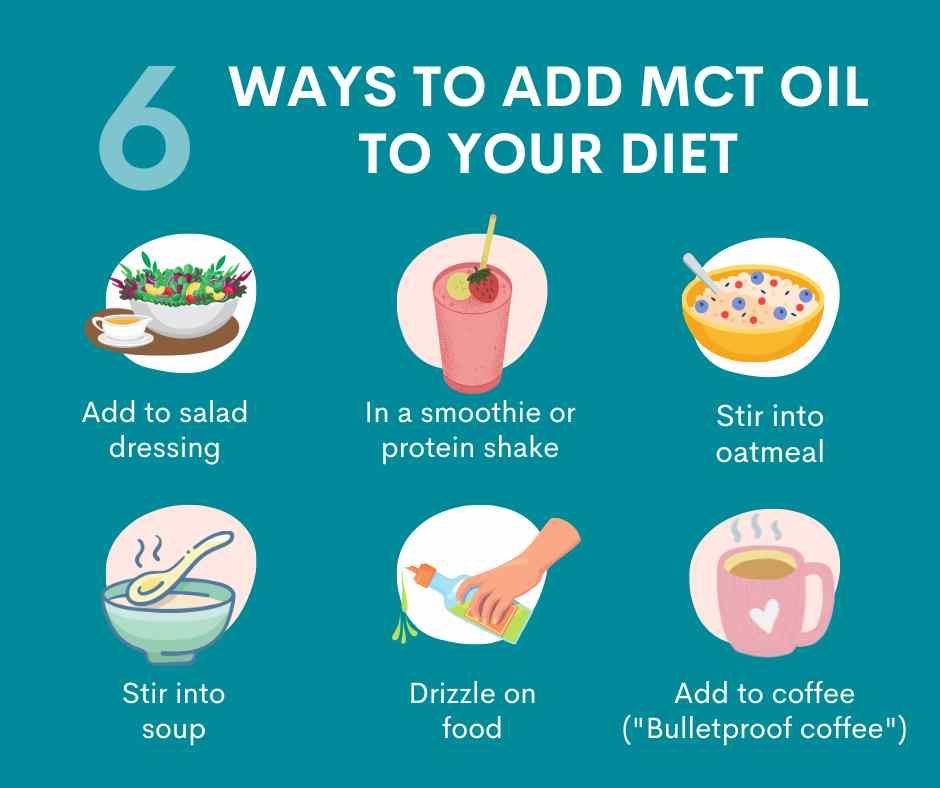
Ways to Add MCT Oil to Food
MCT oil is easy to add to many foods and, when high quality, should have limited impact on taste. Some ideas:
- Add to formula, shakes, or smoothies
- Stir into salad dressings
- Drizzle over toast, pasta, or cooked vegetables after plating
- Stir into soup or oatmeal
- Add to coffee or other hot beverages (sometimes called “Bulletproof” coffee)
- Mix into yogurt or nut butter
These are just a few ideas — be inspired by your own food preferences! There are also many recipes online featuring MCT oil.
In addition to standard MCT oil there are specially formulated products designed to mix more easily into liquids:
- Powdered MCT
- MCTprocal
- Emulsified MCT
- K·Quik (previously Betaquik)
- Liquigen
Specialized infant and pediatric formulas with added MCTs are commonly recommended for PFIC patients, particularly for infants and young children who rely on formula as a primary nutrition source. These formulas typically contain 30–70% of their fat content as MCTs.
Important Tip
Note for infants and bottle feeding
Adding MCT oil to formula or breast milk can be challenging. The oil does not mix well with liquids, and the taste or texture can affect whether a baby accepts the feed. MCT oil can also stick to the inside of glass or plastic bottles and nipples, meaning the baby may not actually receive the intended amount. In some cases, giving MCT oil by dropper — as you would a liquid medication — may be more effective than adding it to the bottle. Speak with your doctor before starting MCT oil, as there is a risk of aspiration into the lungs if your baby has significant reflux, spitting up, or difficulty swallowing. Ask your dietitian or doctor what approach works best for your baby.
Whole Food Sources of MCTs
While MCT oil and specialized formulas provide the most concentrated sources of MCTs, some everyday whole foods also contain meaningful amounts.
Note: Whole food MCT sources complement but do not replace MCT oil or MCT-enriched formulas for most PFIC patients. Talk to your dietitian about the right balance.
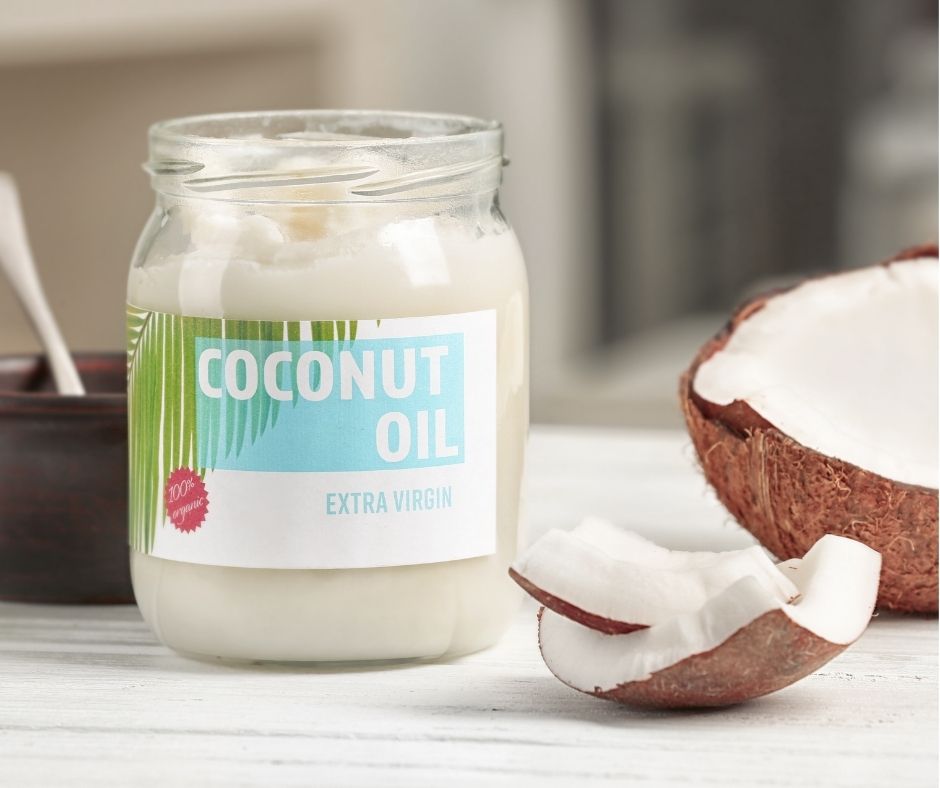
By far the best whole food source of MCTs. Consider using it as your primary cooking oil. Can also be stirred into pasta, soup, or oatmeal after cooking, or added to baked goods
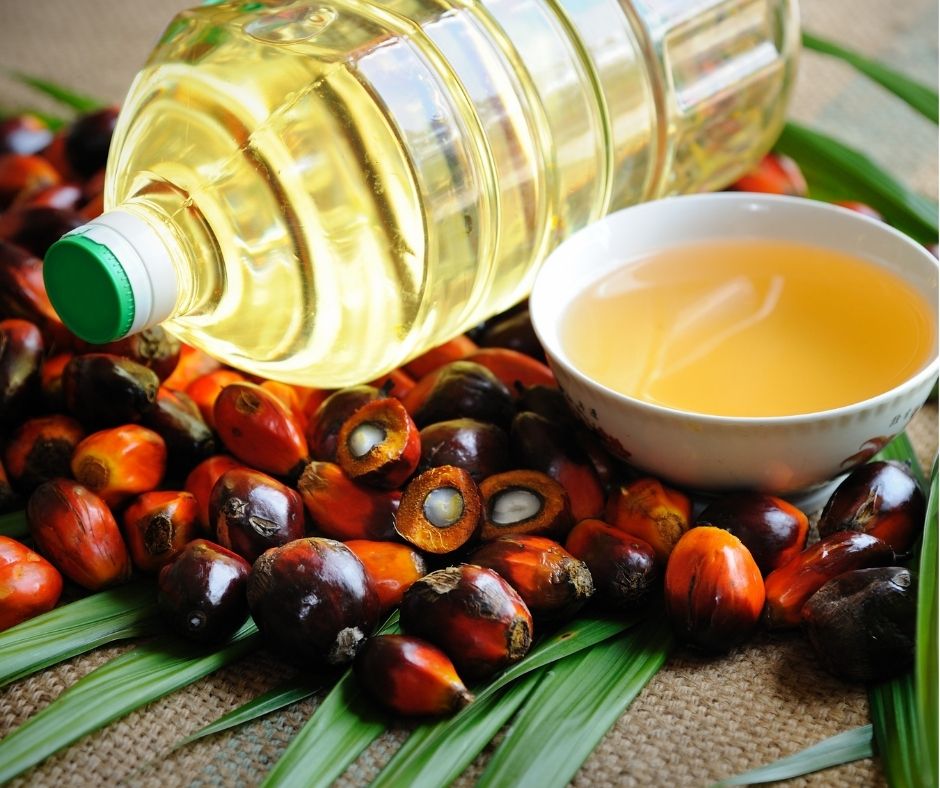
A good source of MCTs. Can be used similarly to coconut oil as a cooking fat.
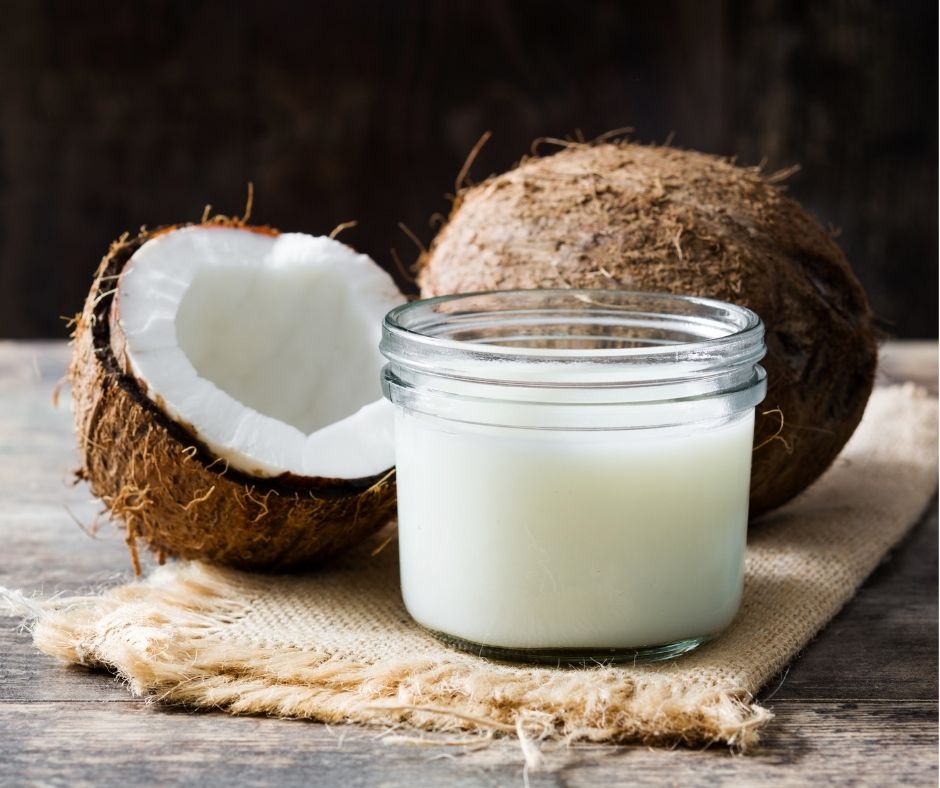
Full-fat coconut milk can be stirred into smoothies, sauces, soups, or curries. Coconut cream is a richer option for desserts or high-calorie drinks. Shredded or fresh coconut meat can be added to snacks or baked goods.
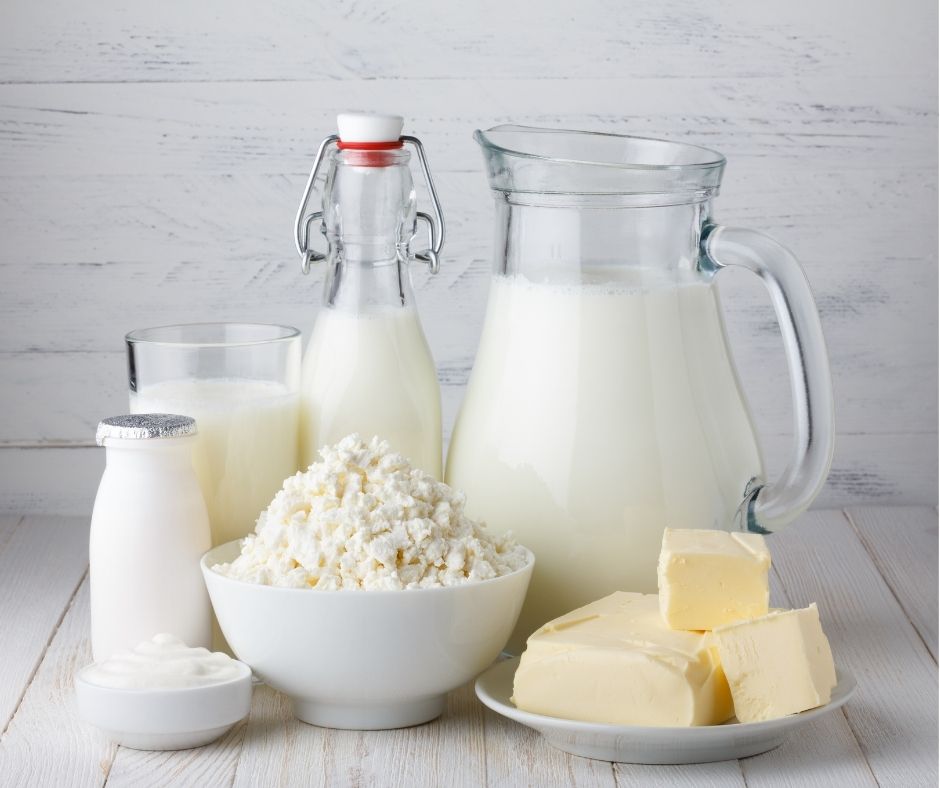
Full-fat dairy (butter, whole milk, cheese, yogurt) contains modest amounts of MCTs. While not as concentrated a source as coconut oil or MCT oil, full-fat dairy also adds calories and protein, making it a useful addition to the diet.
ABOUT THIS PAGE
The content on this page is based on “Nutritional Management of PFIC,” an article prepared by Dr. Laura Bull, PhD, RD, from the University of California San Francisco. In addition to her long career researching the genetics of PFIC, Dr. Bull is a registered dietitian and a member of the PFIC Network Scientific and Medical Advisory Board. Dr. Bull consulted with registered dietitians and clinician experts in the field to pull together this page as a resource for families, taking into consideration variability of practice amongst centers and across borders.
Resources
Learn More
The full clinical article that this web page is based on, for those who want additional information.
The PFIC IMPACT Treatment Experience App (TEA) includes a Vitamins & Nutrition section where you can explore community experiences with treatments such as MCT oil and TPN and share your own.
Panel presentation and discussion video from the 2024 PFIC Family and Scientific Conference featuring Dr. Ron Sokol, Elizabeth Tamayo RD, Sharon Munn, and Dr. Laura Bull.
This overview webinar includes a section on nutrition management with clinicians from Children’s Hospital Colorado