High-Calorie Food Ideas
Because PFIC may cause a hypermetabolic state where the body burns energy and breaks down protein faster than usual, people living with PFIC often need significantly more calories than expected for their age or activity level. Adding calorie-dense foods to everyday meals is one of the most practical ways to increase caloric intake without needing to eat larger portions.
The foods listed here are just a starting point. There are many other great options that can support good nutrition. Let your own tastes, culture, and food preferences be your guide, and get creative with how you add calorie-dense ingredients to the meals you or your family already love. Your nutrition care team can also be a great resource for recipe and meal ideas.
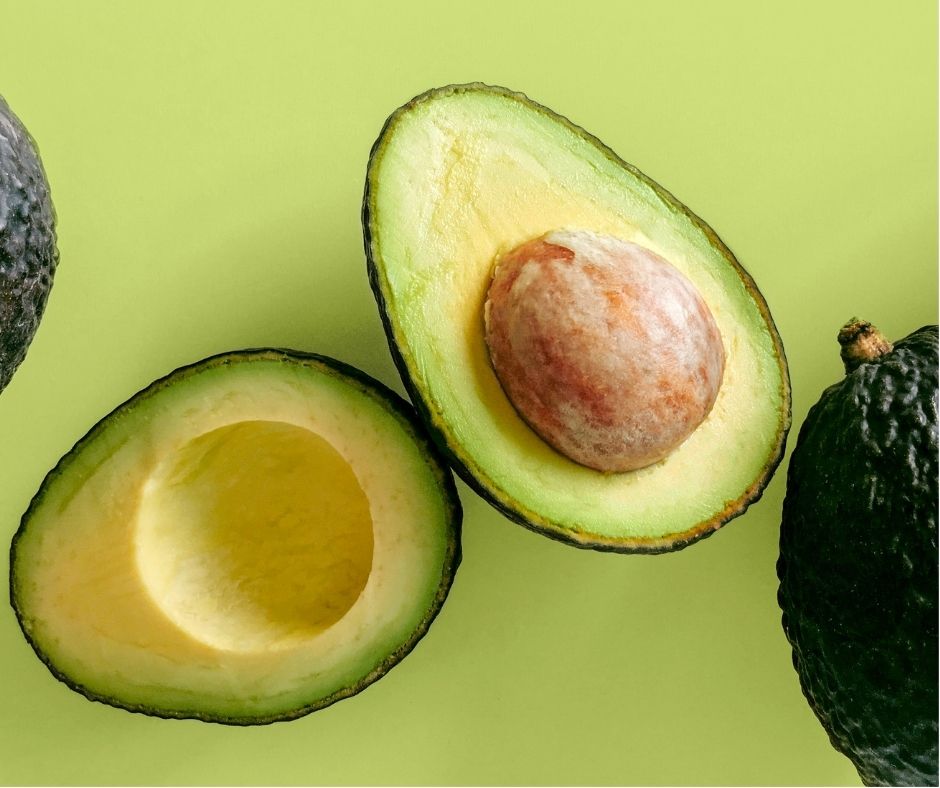
- Slice and add to sandwiches, toast, tacos, or grain bowls
- Make guacamole
- Add to smoothies for a creamy texture and calorie boost
- Make avocado chocolate pudding
- Blend into salad dressings
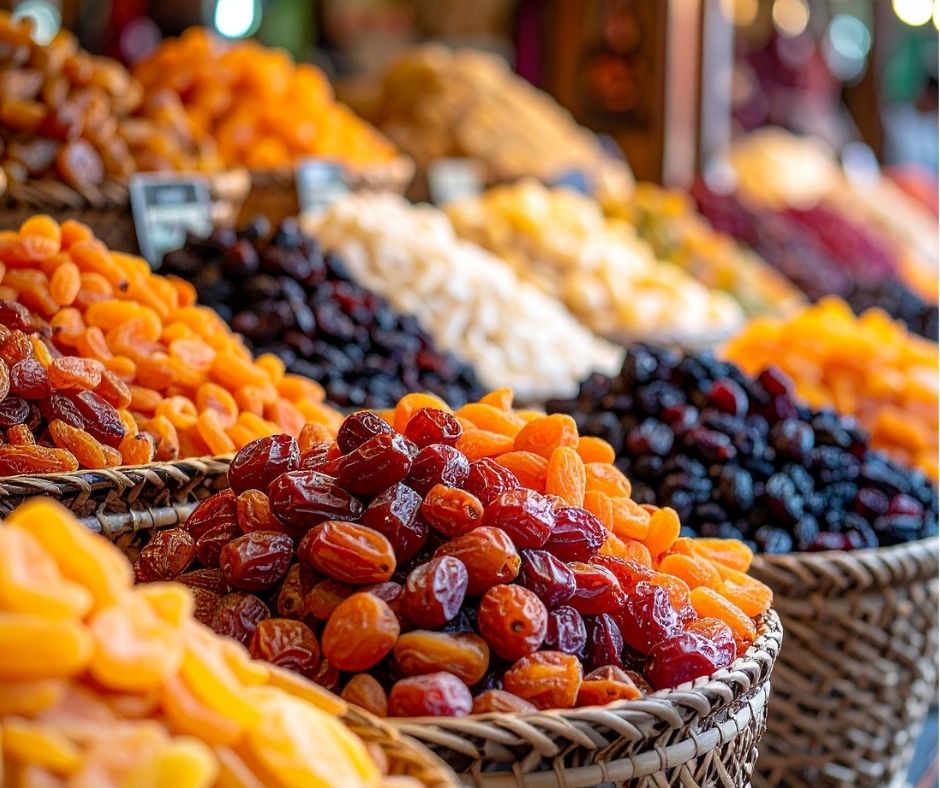
- Add to trail mix or granola
- Use as a yogurt, oatmeal or cereal topping
- Use as a salad topping
- Eat plain as a snack
- Add to baked goods
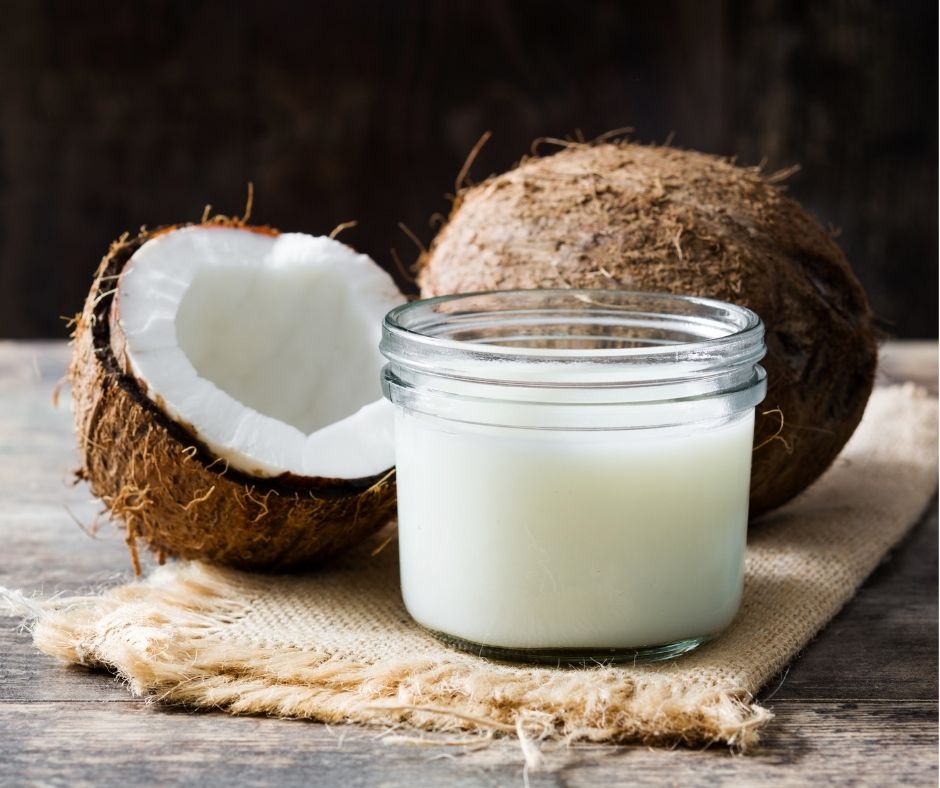
- Stir into smoothies or shakes
- Use as the base for soups, curries, or sauces
- Add to coffee or hot beverages
- Use in baked goods or oatmeal
- Swap for some of the water when cooking rice
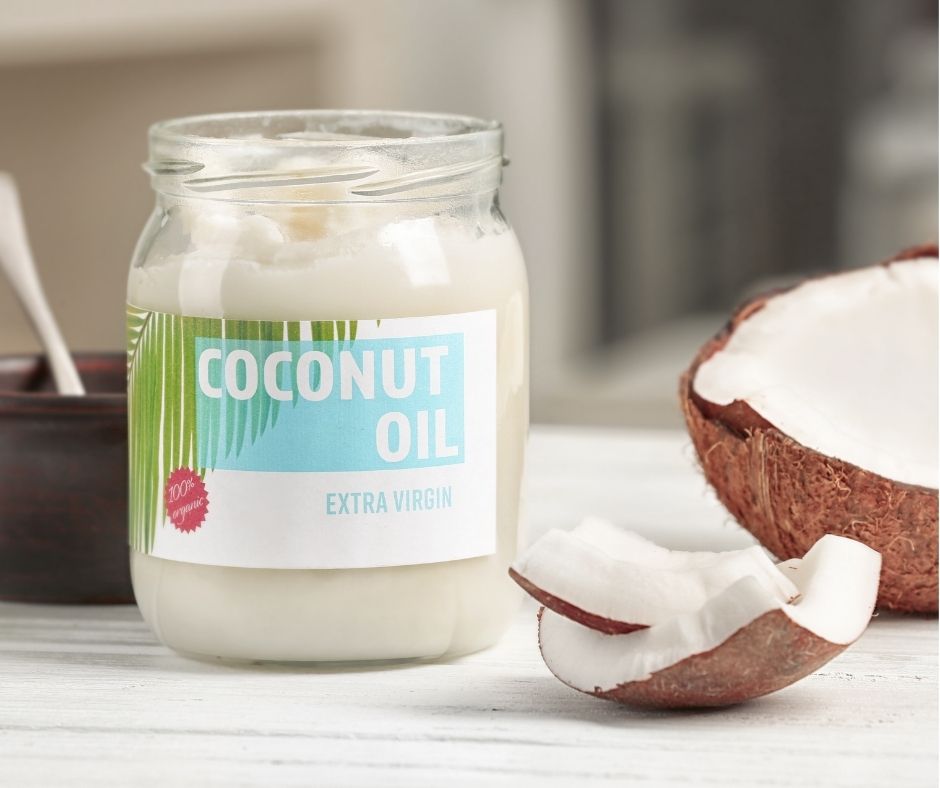
Also a great whole food source of MCTs.
- Use as your primary cooking oil for sautéing and roasting
- Stir into pasta, cooked vegetables, or rice
- Add to baked goods (muffins, pancakes, energy balls)
- Stir into oatmeal or hot cereal
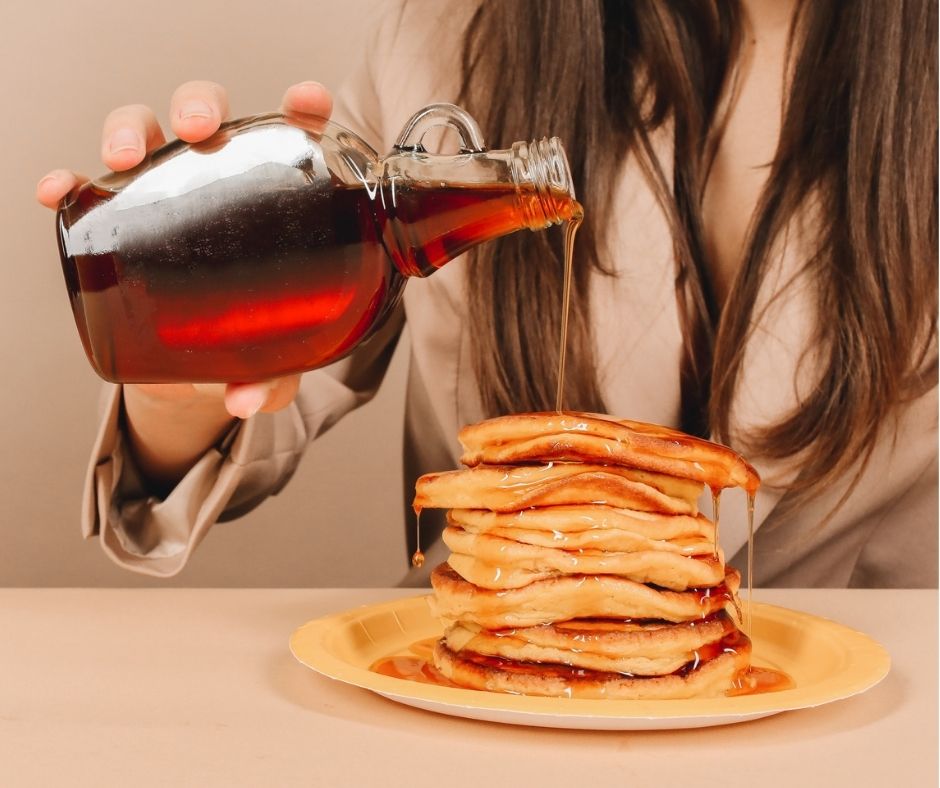
- Use to sweeten hot cereal, yogurt, or smoothies
- Add to hot beverages
- Use as a topping for pancakes, waffles, or toast
- Use in marinades for salmon, ham or chicken
- Use as a glaze for roasted vegetables like carrots or sweet potatoes
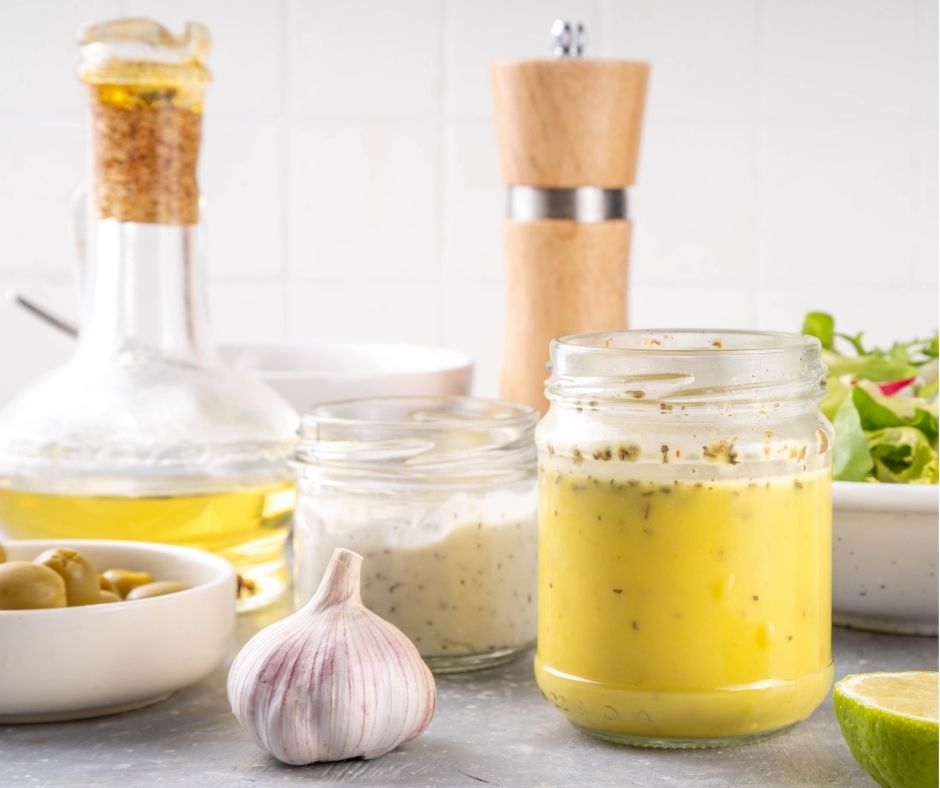
- Mayonnaise
- Spread on sandwiches
- Mix into egg, chicken, or tuna salad
- Use as a dip
- Full-fat salad dressings
- Drizzle over salads
- Use as a dip for vegetables or bread
- Butter
- Add to toast, pasta, cooked vegetables, or baked goods
High-Protein Food Ideas
Protein supports muscle maintenance and growth, which is especially important in PFIC where the body may break down protein faster than normal. Pairing protein with fat and calories at every meal and snack helps maximize nutritional value.
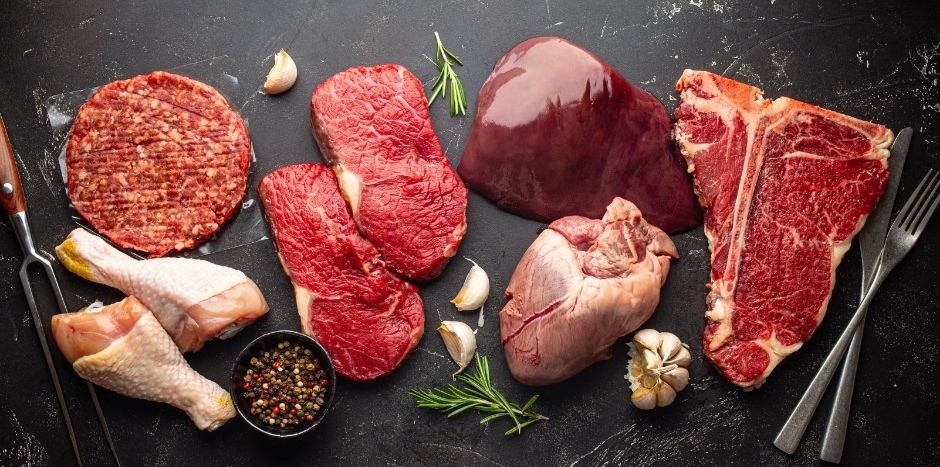
- Red meat (beef, lamb, pork) — high in protein and calories
- Chicken with the skin on — the skin adds fat and calories
- Salmon and other oily fish — protein plus healthy fats
- Pork in any form — chops, pulled pork, sausage
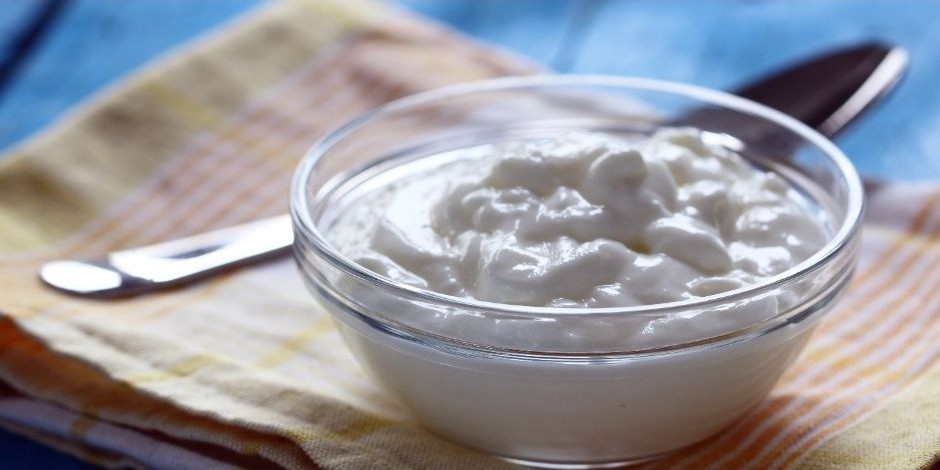
- Yogurt parfait with nuts, dried fruit, granola, or maple syrup
- Add to smoothies or shakes
- Stir into savory dishes like curry or use as a base for dips (tzatziki, raita)
- Use as a topping for chili, baked potatoes, or tacos
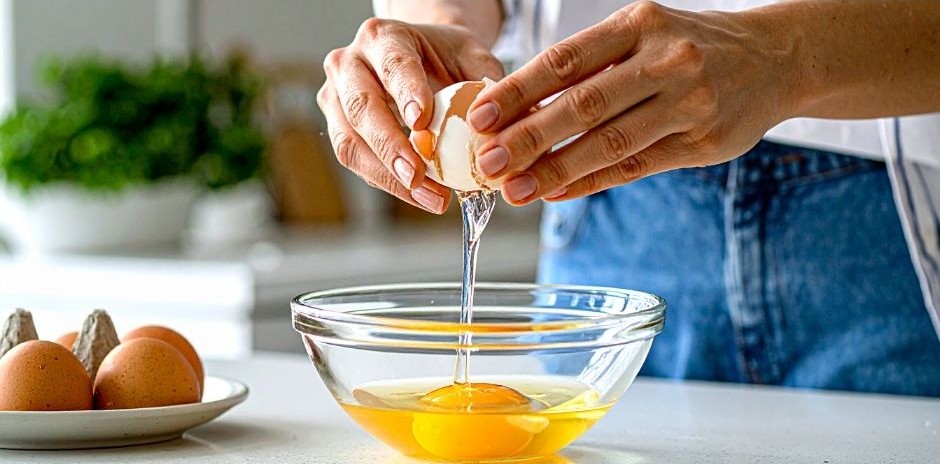
- Hard-boiled as a snack
- Egg salad — plain or as a sandwich filling
- Scrambled eggs — easy to make calorie-dense by adding butter, cheese, or full-fat cream
- Breakfast tacos or burritos with egg, cheese, and avocado
- Added to baked goods for protein and richness
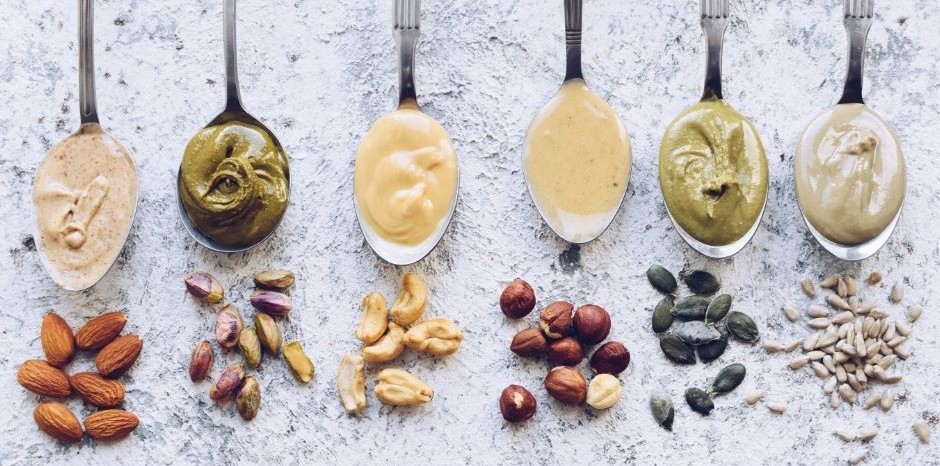
- Spread on crackers, bread, or rice cakes
- Use as a dip for apple slices, celery, or banana
- Stir into hot cereal or oatmeal
- Add to smoothies or shakes
- Blend into sauces (peanut noodles, satay)
- Add to baked goods (peanut butter cookies, energy balls, brownies)
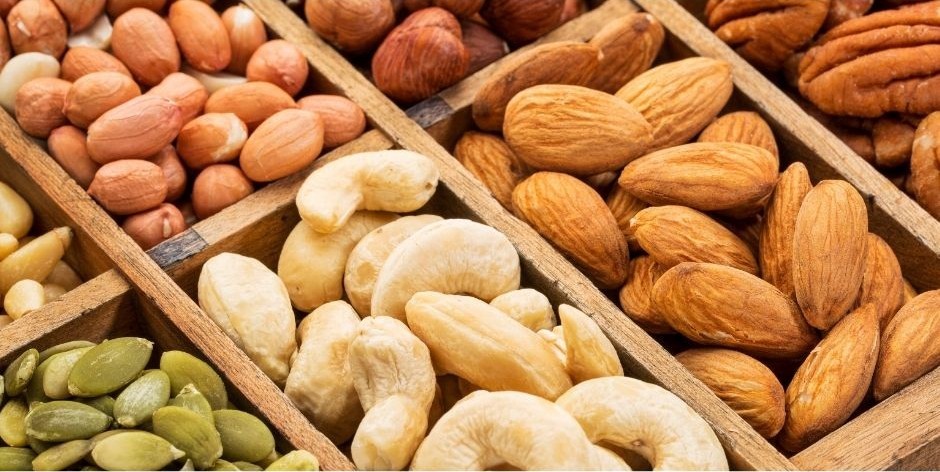
- Plain as a snack, or mixed into trail mix with dried fruit
- Sprinkled on top of yogurt bowls or oatmeal
- Use as a salad topping
- Stirred into baked goods
Safety Note: Whole nuts can be a choking/airway risk for infants and young children. Try nut butters or finely ground nuts instead.
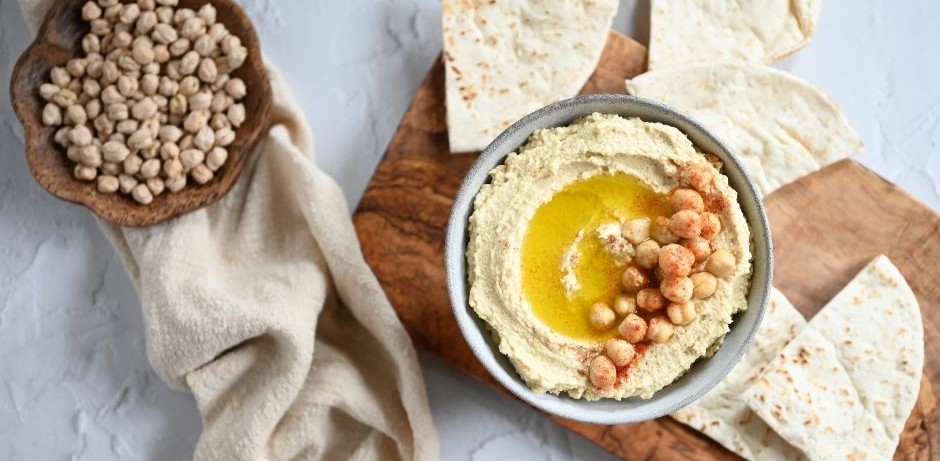
- Use as a dip for vegetables, pita chips, or crackers
- Spread on sandwiches or wraps
- Add to tacos or grain bowls
ABOUT THIS PAGE
The content on this page is based on “Nutritional Management of PFIC,” an article prepared by Dr. Laura Bull, PhD, RD, from the University of California San Francisco. In addition to her long career researching the genetics of PFIC, Dr. Bull is a registered dietitian and a member of the PFIC Network Scientific and Medical Advisory Board. Dr. Bull consulted with registered dietitians and clinician experts in the field to pull together this page as a resource for families, taking into consideration variability of practice amongst centers and across borders.
Resources
Learn More
The full clinical article that this web page is based on, for those who want additional information.
The PFIC IMPACT Treatment Experience App (TEA) includes a Vitamins & Nutrition section where you can explore community experiences with treatments such as MCT oil and TPN and share your own.
Panel presentation and discussion video from the 2024 PFIC Family and Scientific Conference featuring Dr. Ron Sokol, Elizabeth Tamayo RD, Sharon Munn, and Dr. Laura Bull.
This overview webinar includes a section on nutrition management with clinicians from Children’s Hospital Colorado