A Gap in Poland and What the Community Can Do
The Itch
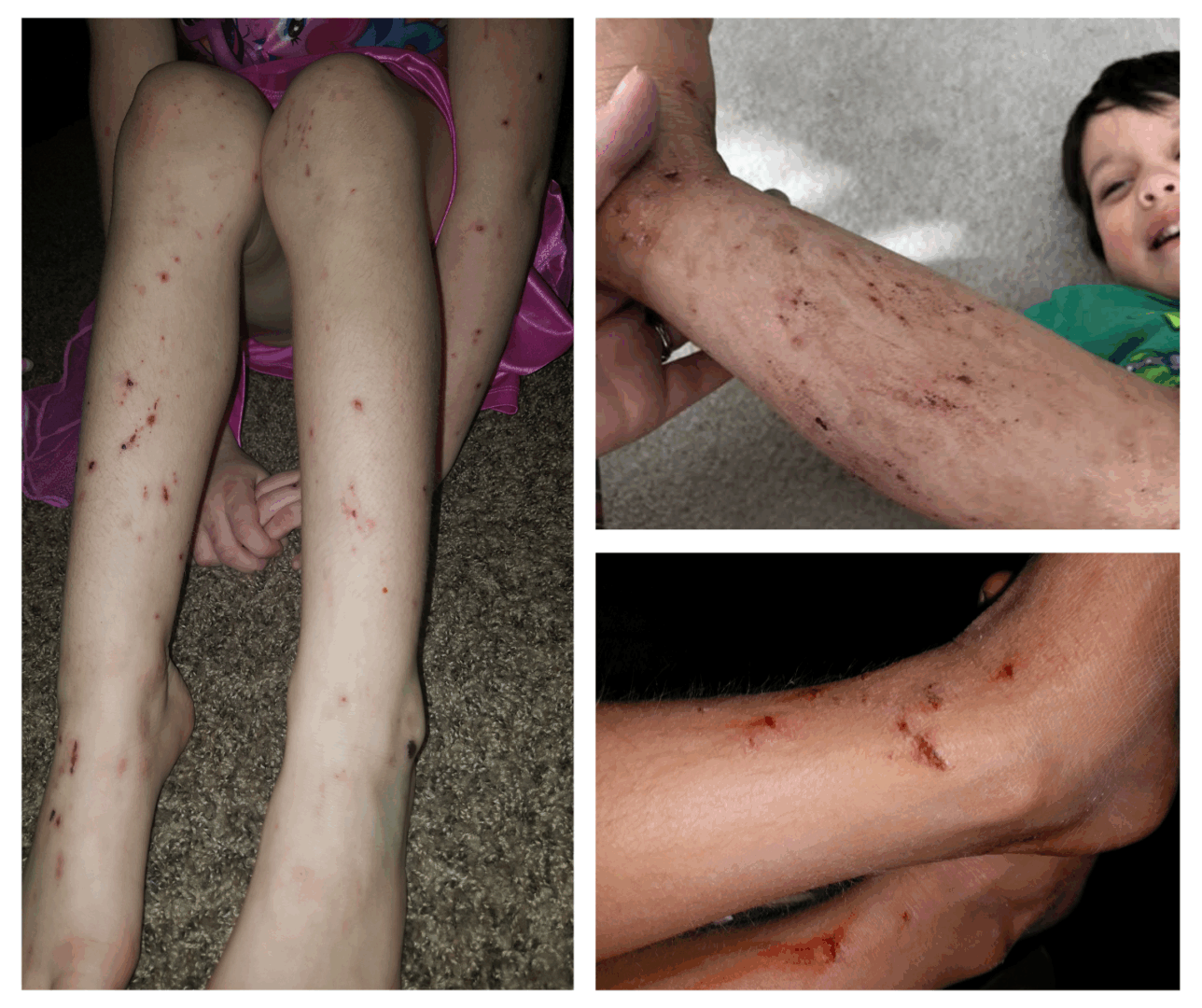
If you’re aware of PFIC, you know about pruritus. PFIC is a group of rare and debilitating liver diseases, and the hallmark symptom is severe, unrelenting pruritus (itch). Patients who experience cholestatic pruritus describe it as unbearable. Parents of children with PFIC say it dominates every aspect of daily life. Dealing with itch is more than a rash or a bug bite. Families lose jobs, children can’t attend school, parents feel helpless, siblings feel neglected — all because of itch. PFIC itch becomes so intrusive that families are left looking for anything to help their child feel relief.
Itch in the Era of IBAT Inhibitors
Prior to 2022, surgical diversion, a cocktail of off-label medications, and liver transplant were the only options for relief. These interventions have uncertain results, are invasive, take time to work, and often come with significant sacrifice. In the last three years, two drugs called IBAT inhibitors have been developed to manage itch. They don’t help every patient with PFIC, but for those who experience relief, it can be life-changing (some even call it disease-modifying, though that’s yet to be confirmed).
IBAT inhibitors offer a powerful treatment option — one that’s less invasive and with potentially life-changing effects.
The Challenge
Between 30-50% of patients experience relief* from pruritus with IBAT inhibitors. For those who benefit, the impact is profound. But unfortunately, of the one-third to one-half of patients who stand to benefit, not everyone does. For some, the reason they can’t get the benefits of IBAT inhibitors comes down to access issues. We believe access issues can and should be resolved.
How We Can Help
The International PFIC Alliance focuses advocates and leaders from around the world on topics like access to resources and engages in collective problem-solving.
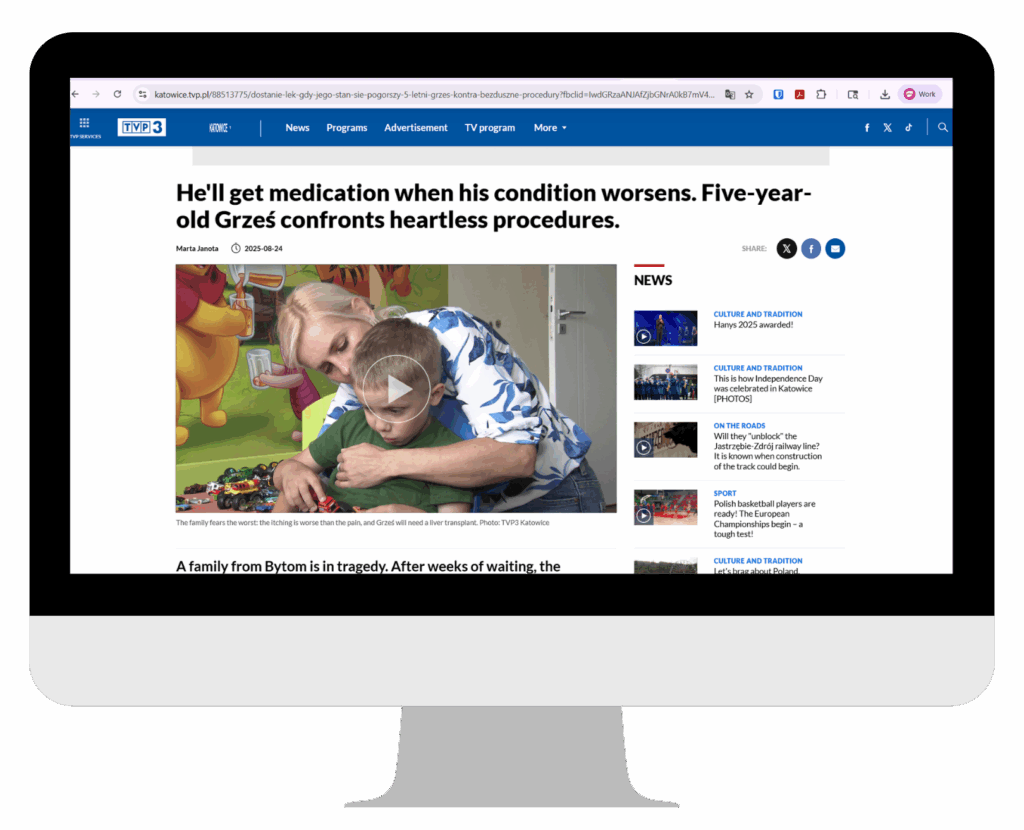
Right now, our attention is on Poland. In Poland, a gap in care formed as the health care system transitioned from one medication to another. When new drugs come to market, clinical trial periods end and patients who were on the trial typically transition to the approved drug. In this case, due to strict government protocols and differences between the two drugs, patients were required to stop their medication and wait until their children became sick again to be prescribed the other IBAT inhibitor. Some patients are receiving the medication via an emergency access program, but only for 3 months. Others have become symptomatic, but are not yet meeting the criteria to be prescribed the new medication, so they remain without treatment.
This is not uncommon in healthcare systems—but patients are suffering in the transition. And that’s not okay.
Taking Steps Now to Help Poland
The root cause is an unsmooth transition from drug to drug. This gap was anticipated earlier this year and became a reality for some patients this summer. Strict criteria and delayed decision-making have meant that patients are still left without treatment of pruritus and have had to watch as painful symptoms return. One PFIC parent, Barbara, has been telling her story desperately, in hopes that these important decisions will be made right away. For pruritus to return after years of relief is without a doubt horrifying.
The International PFIC Alliance has sprung into action to support an accelerated decision. We have teamed up with advocates in Poland and have written letters to raise awareness of the severity of this issue. We implored the Polish Ministry of Health to prioritize immediate, life-changing access to IBAT inhibitor therapy for Polish children living with PFIC. And we are in conversation with the companies who make these drugs in hopes we can find a solution. We hope that our collective voice will impact swift decision making, but we need your help.
Three Things You Can Do to Help
While we continue to advocate for change on a systemic level, there is stuff you can do, too. We want more people to share their personal stories of the burden of the illness (particularly the itch). We want to know about good stories and bad ones.
- Share your story with the whole network with our PFIC Awareness Day prompts. We can elevate these stories on our website, Facebook and Instagram. With your consent, we can add your story anonymously to our government and regulatory petitions.
- Join the patient registry and complete your six-month follow-up surveys. This gives us data to share when advocating for treatment access and new research. All registry data is shared anonymously and in aggregate.
- Share this post to raise awareness of the itch and the importance of timely access to medications.
While we anxiously await news of policy changes, we appreciate how the global PFIC community takes the time to lend support and rally around the cause of patients and families in Poland.
→ To get involved by sharing your story, click here and use the prompts as you complete our form.
→ For more on the International Alliance, click here.
* For those who don’t respond to treatment, they often learn to live with the itch or move toward liver transplant. In recent years, non-medical interventions like hypnosis and mindfulness have been explored. We hosted a series on non-invasive approaches to pruritus in our A new perspective on coping with the itch, by Caitlin Shneider, PhD